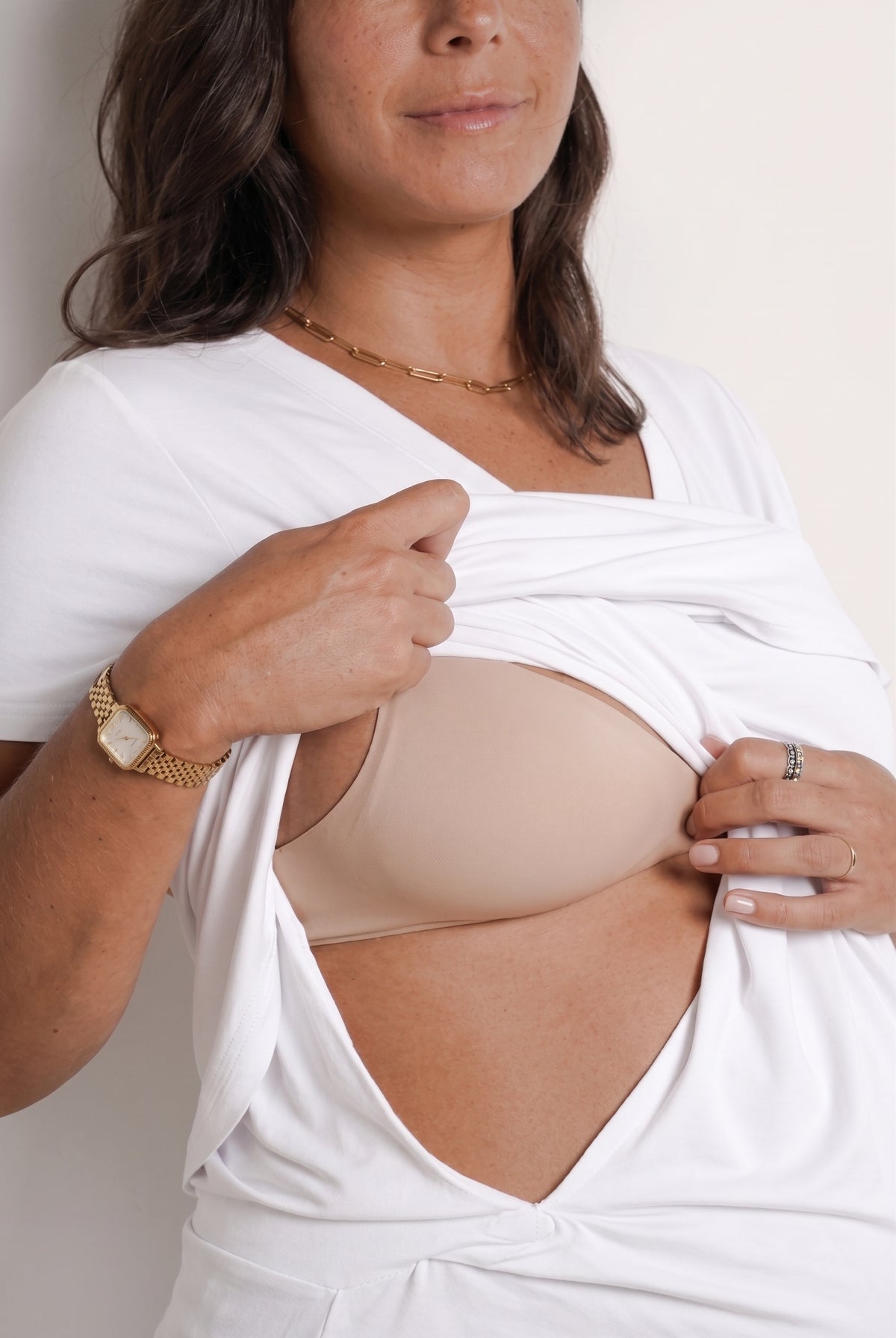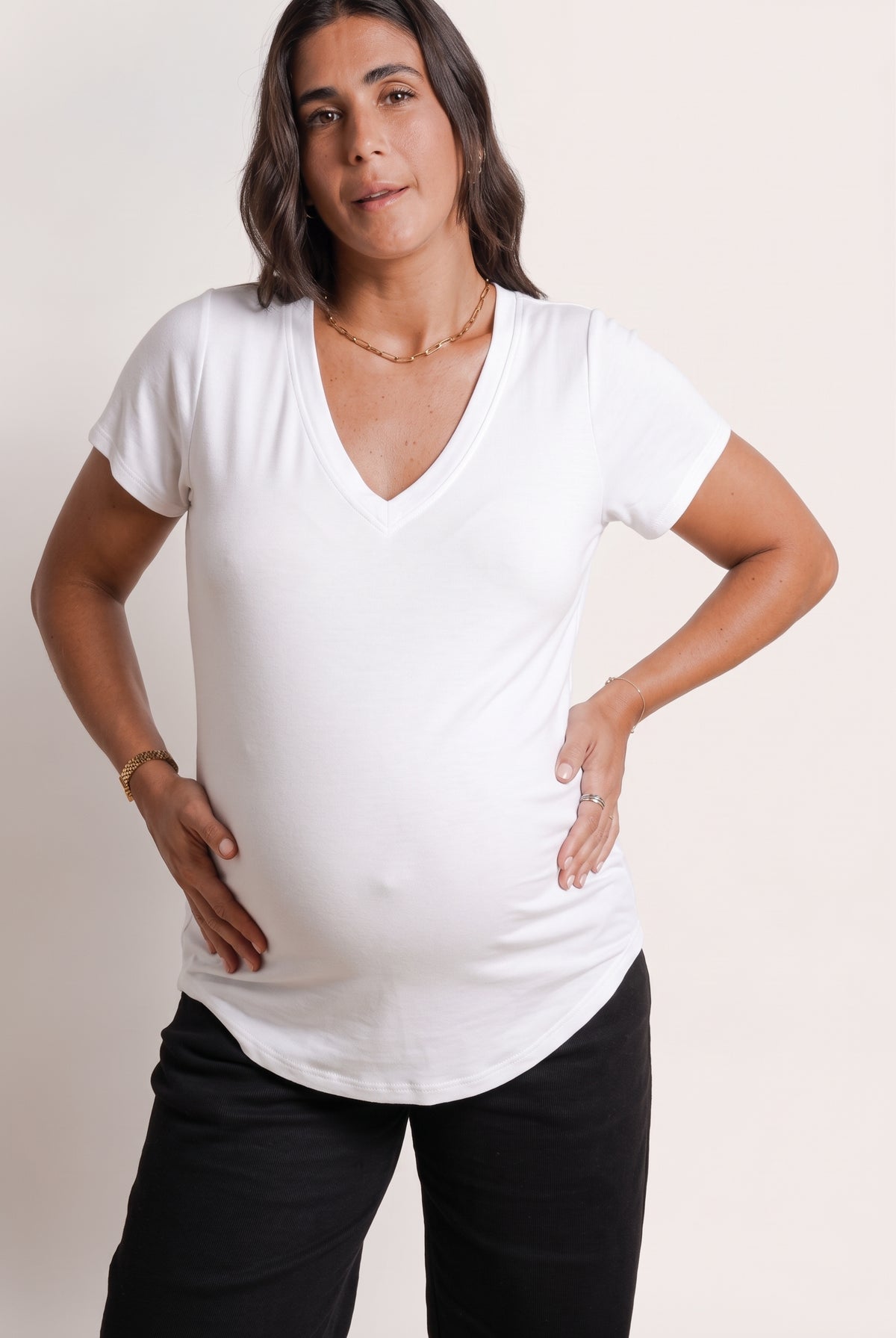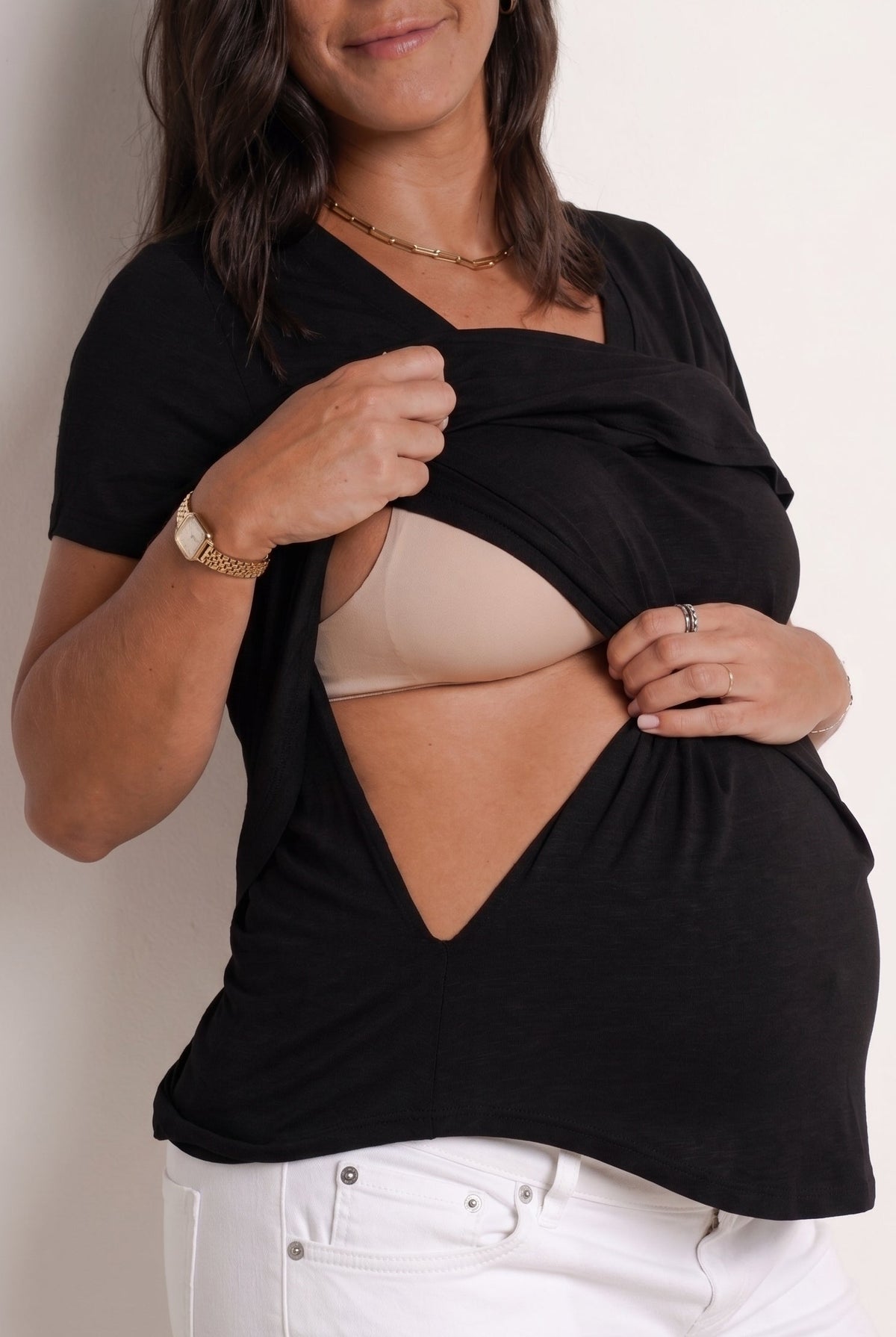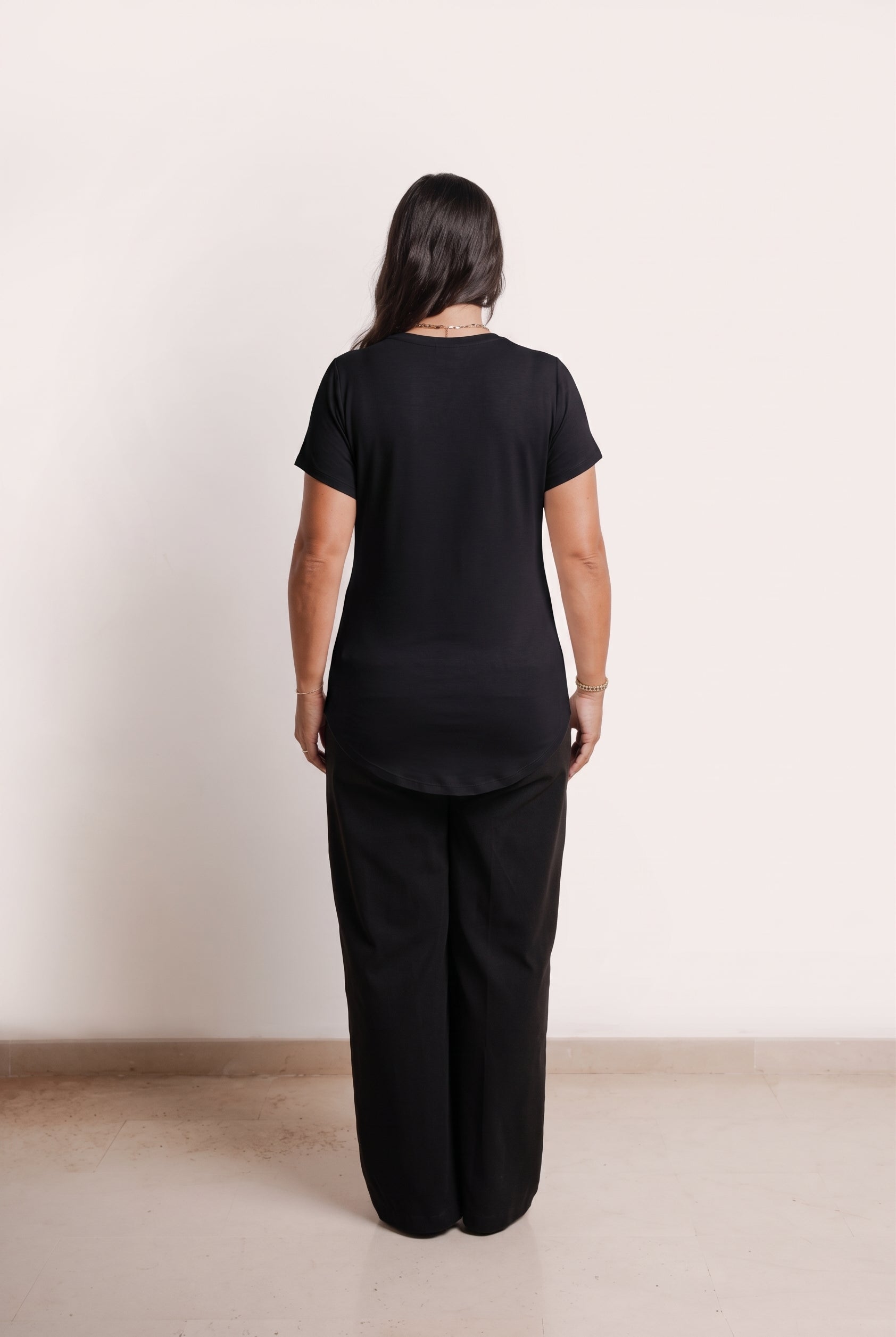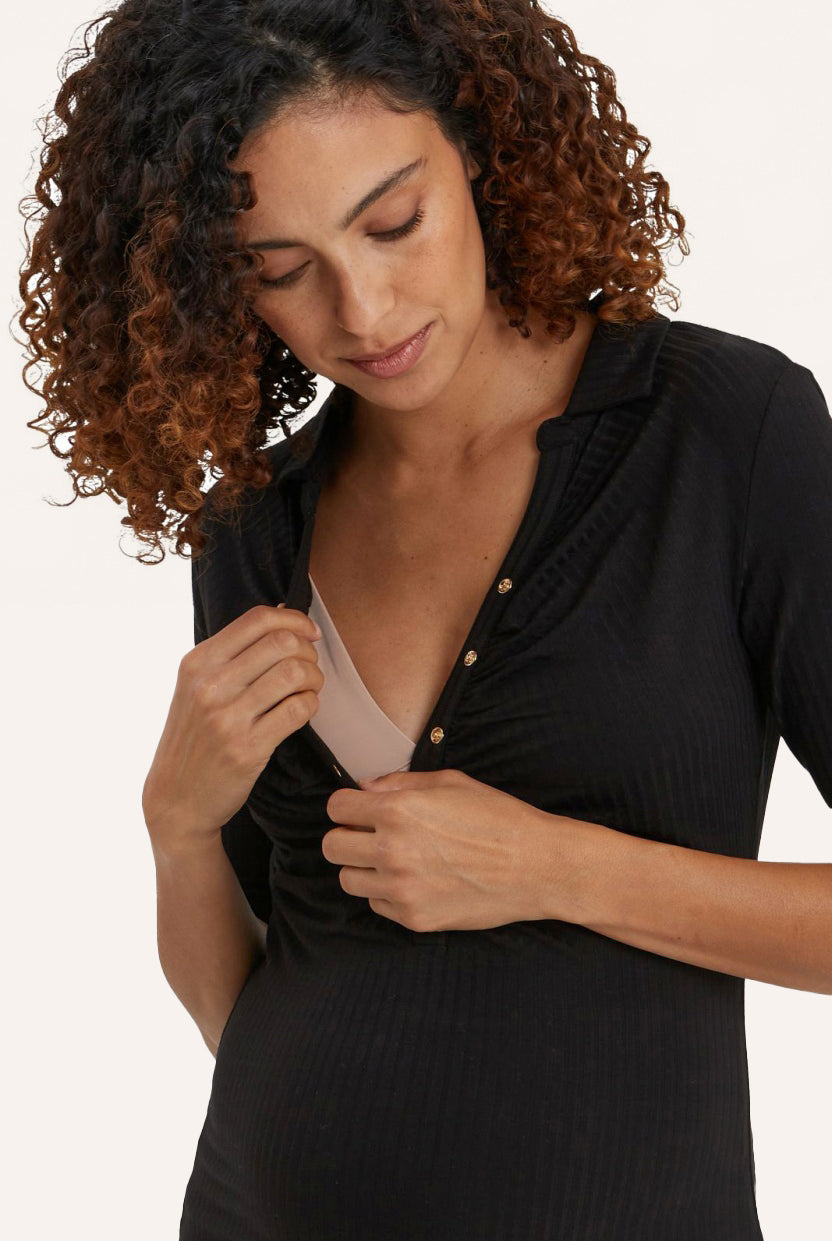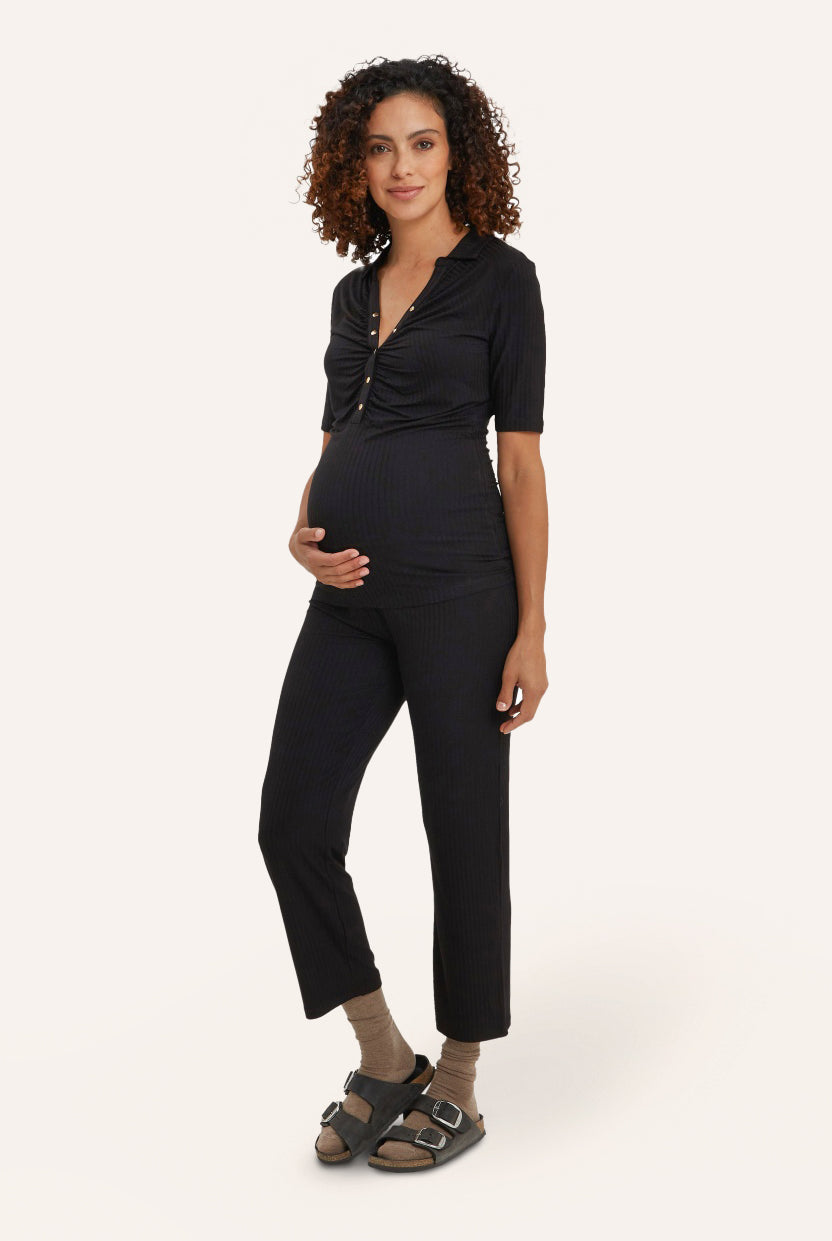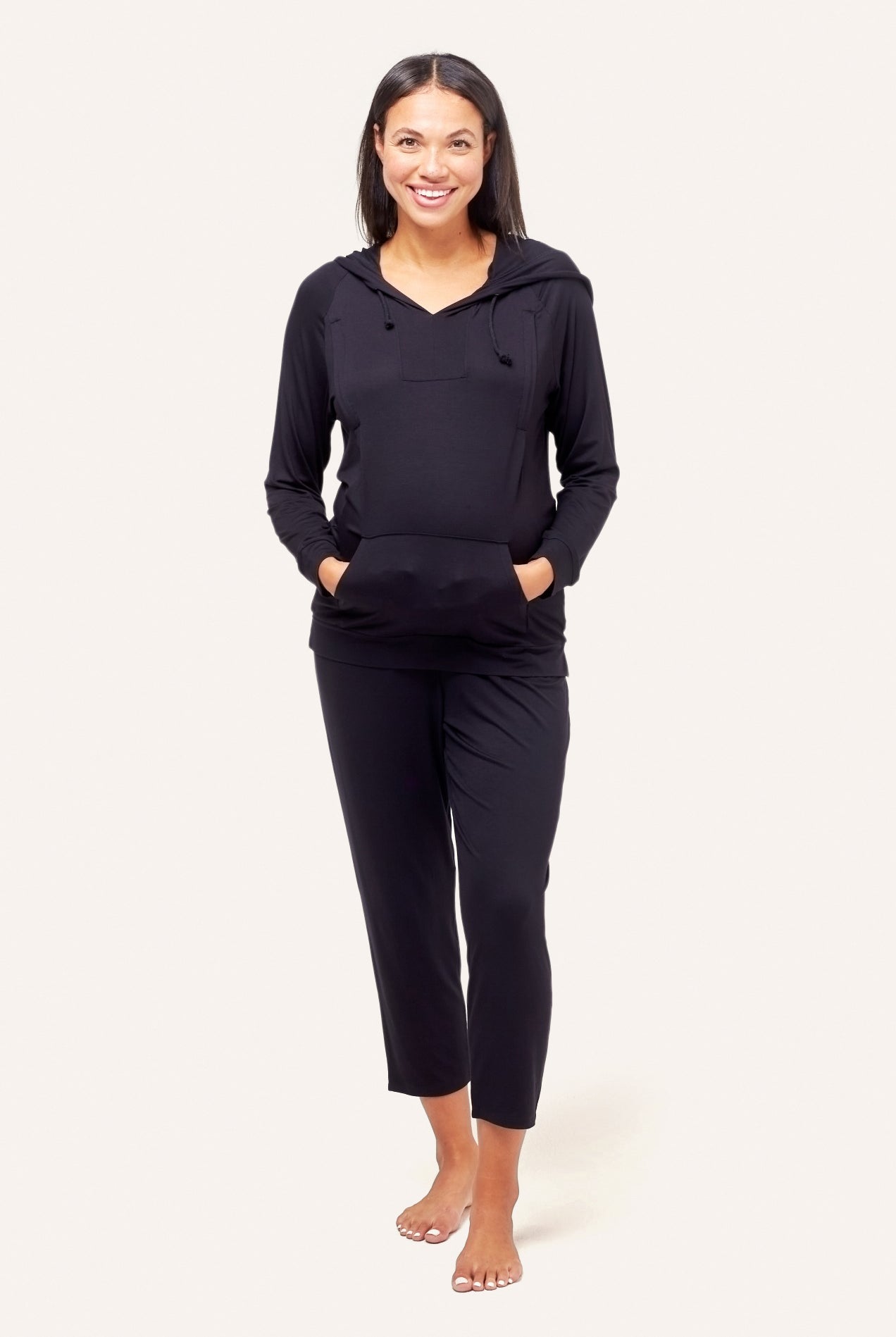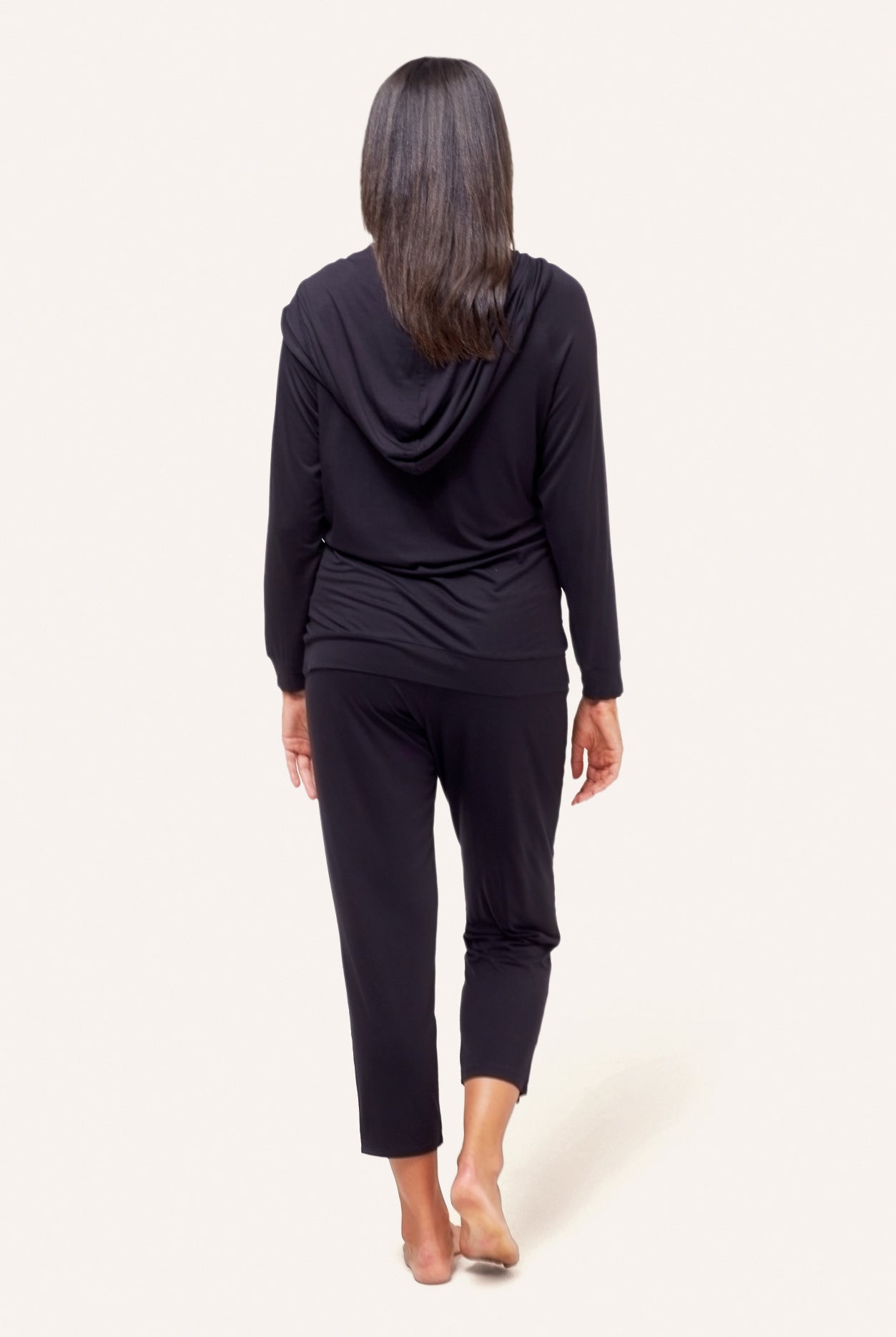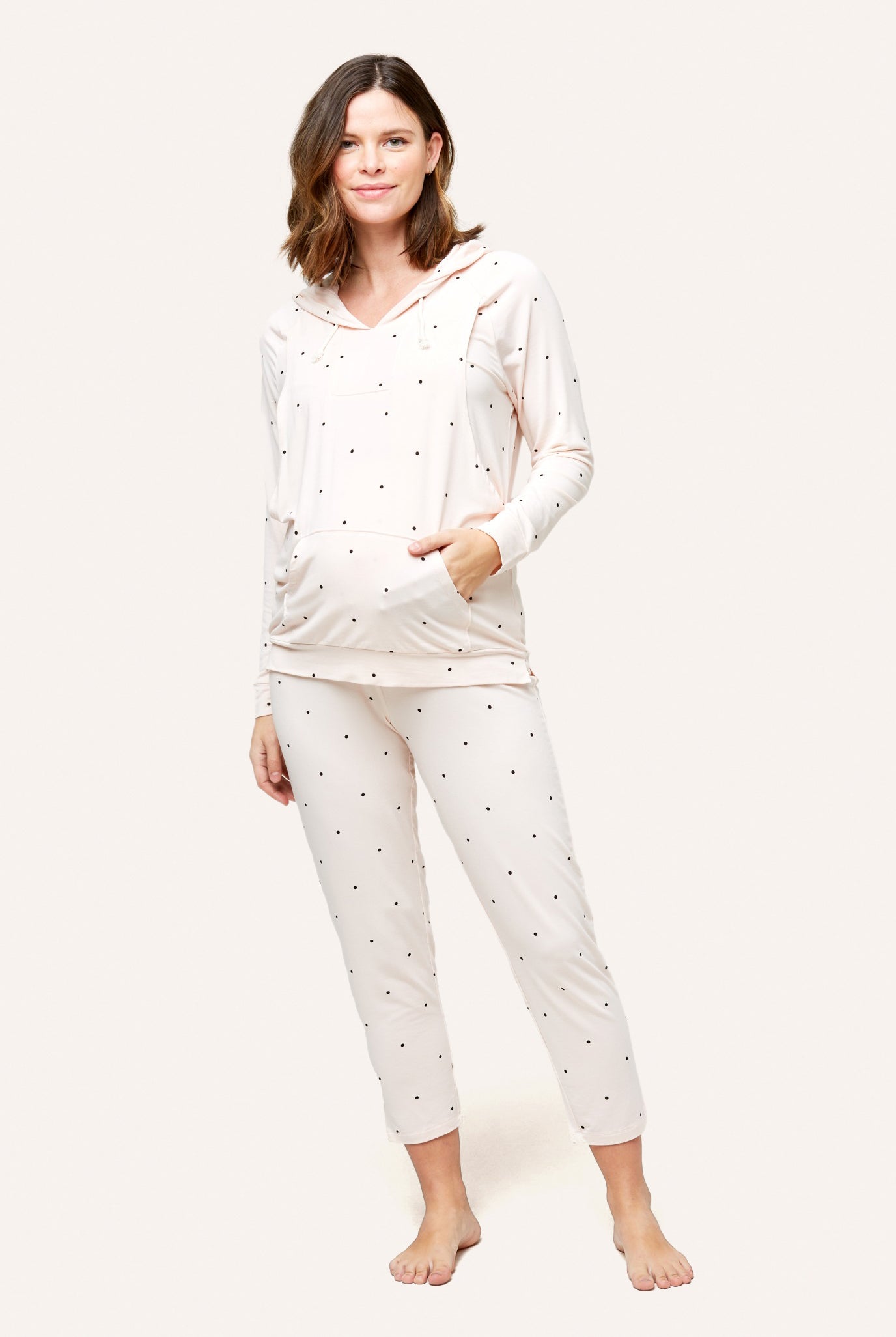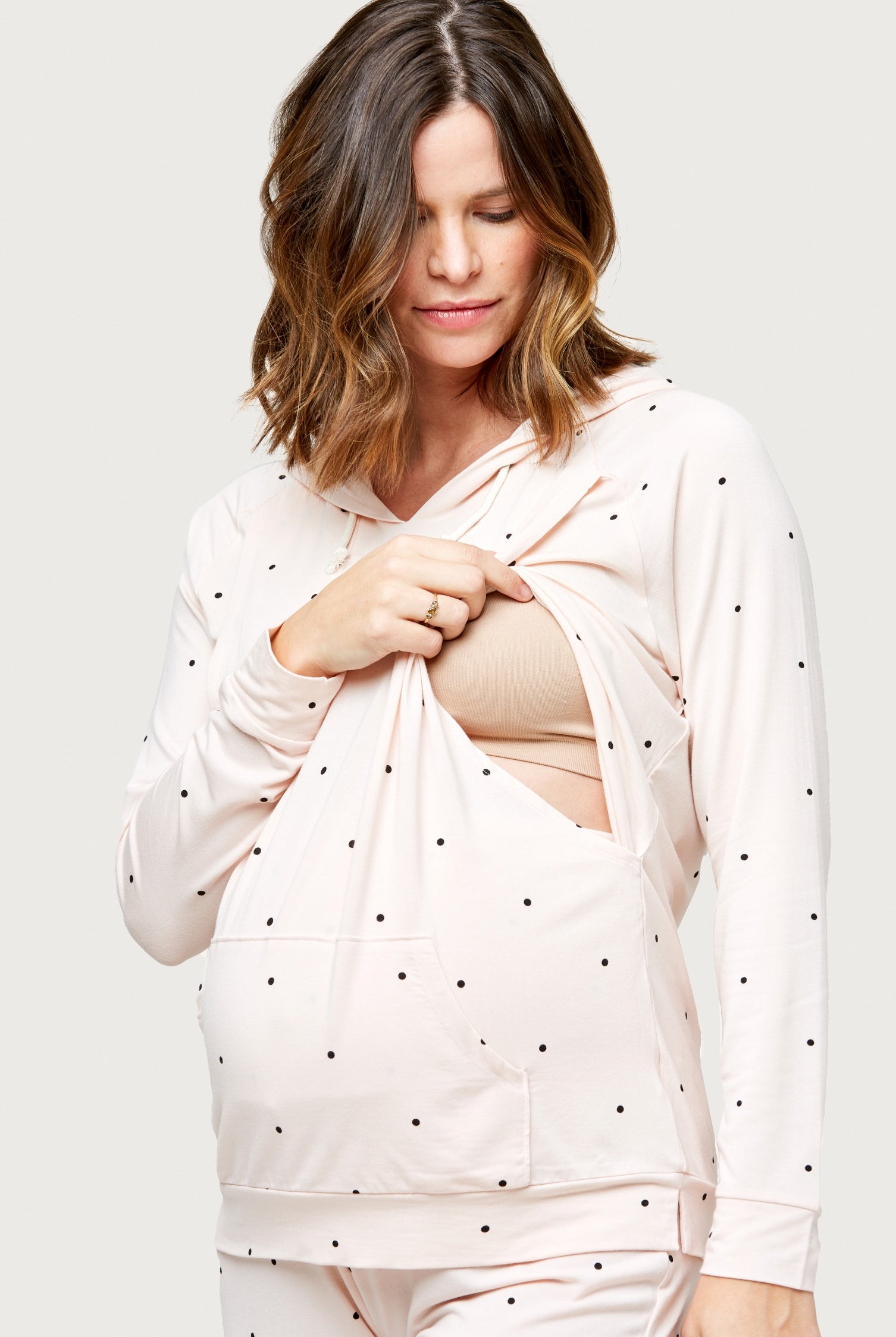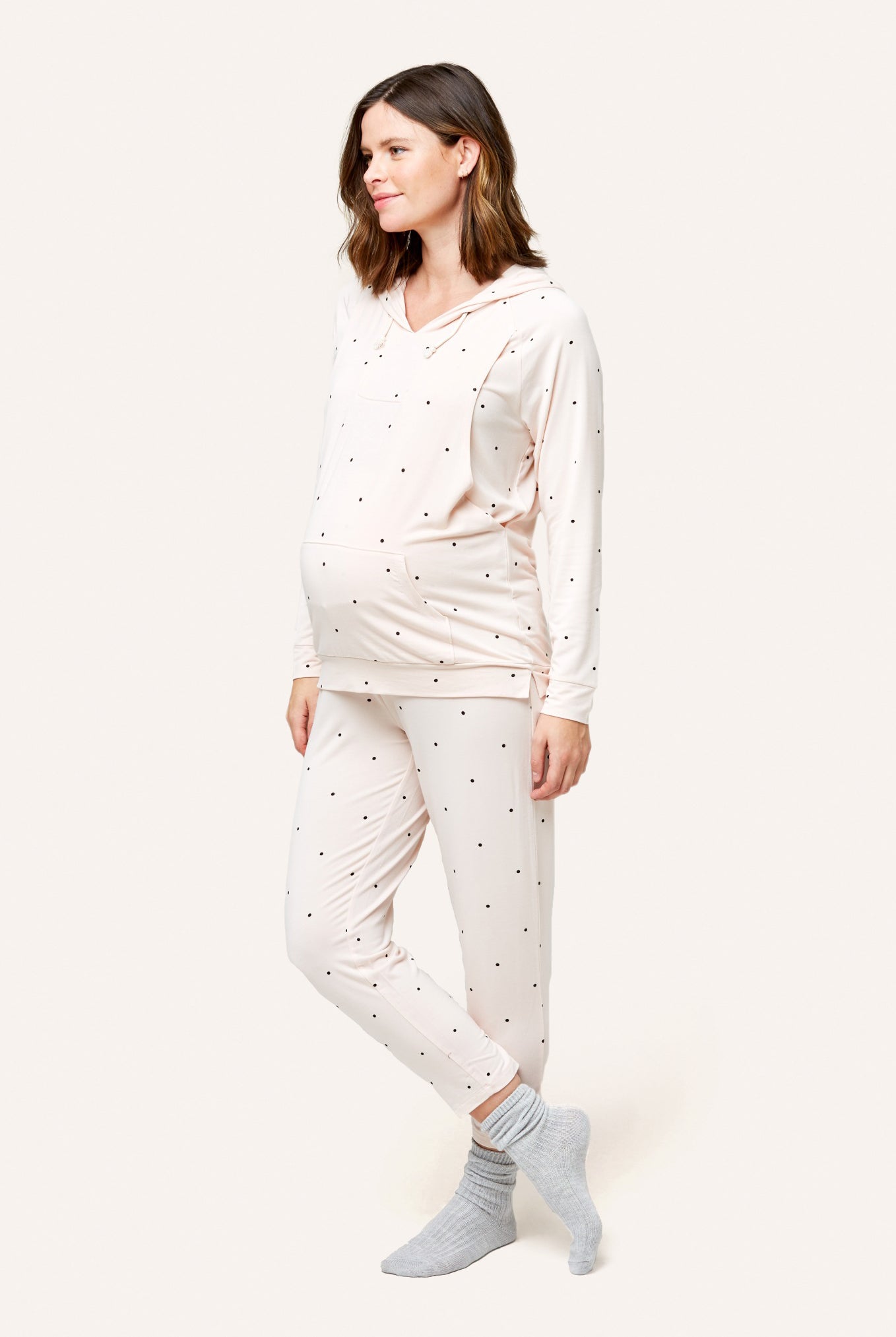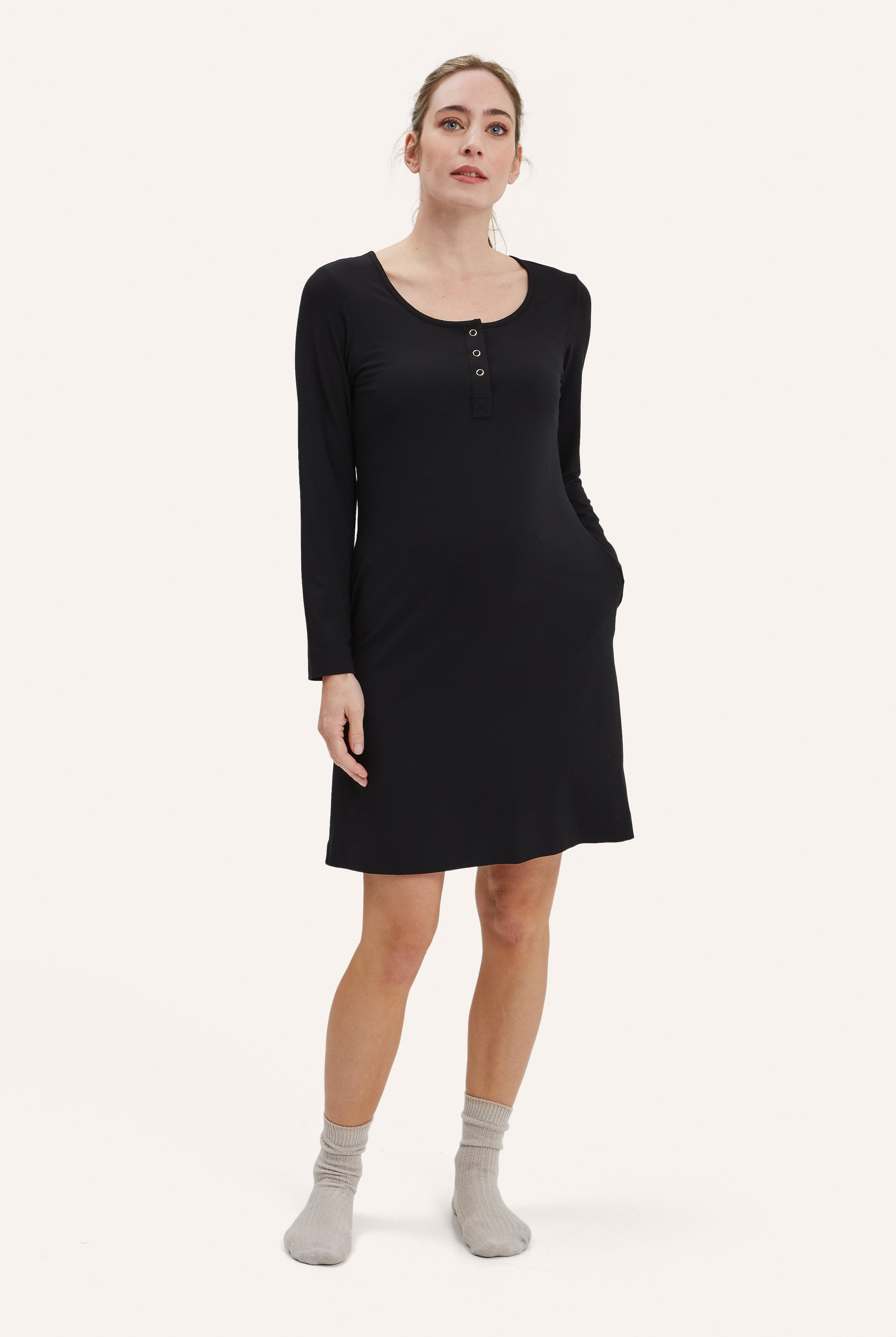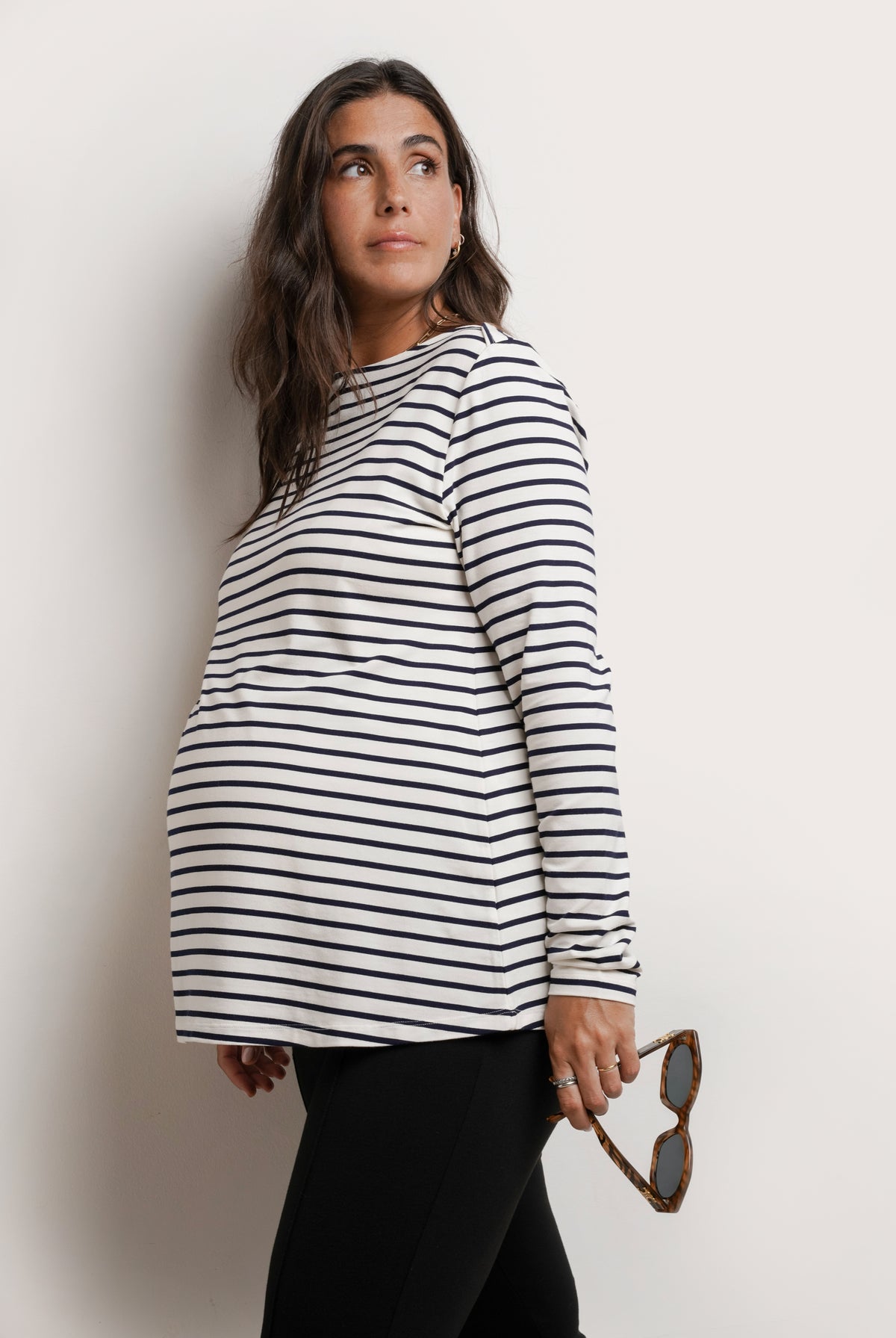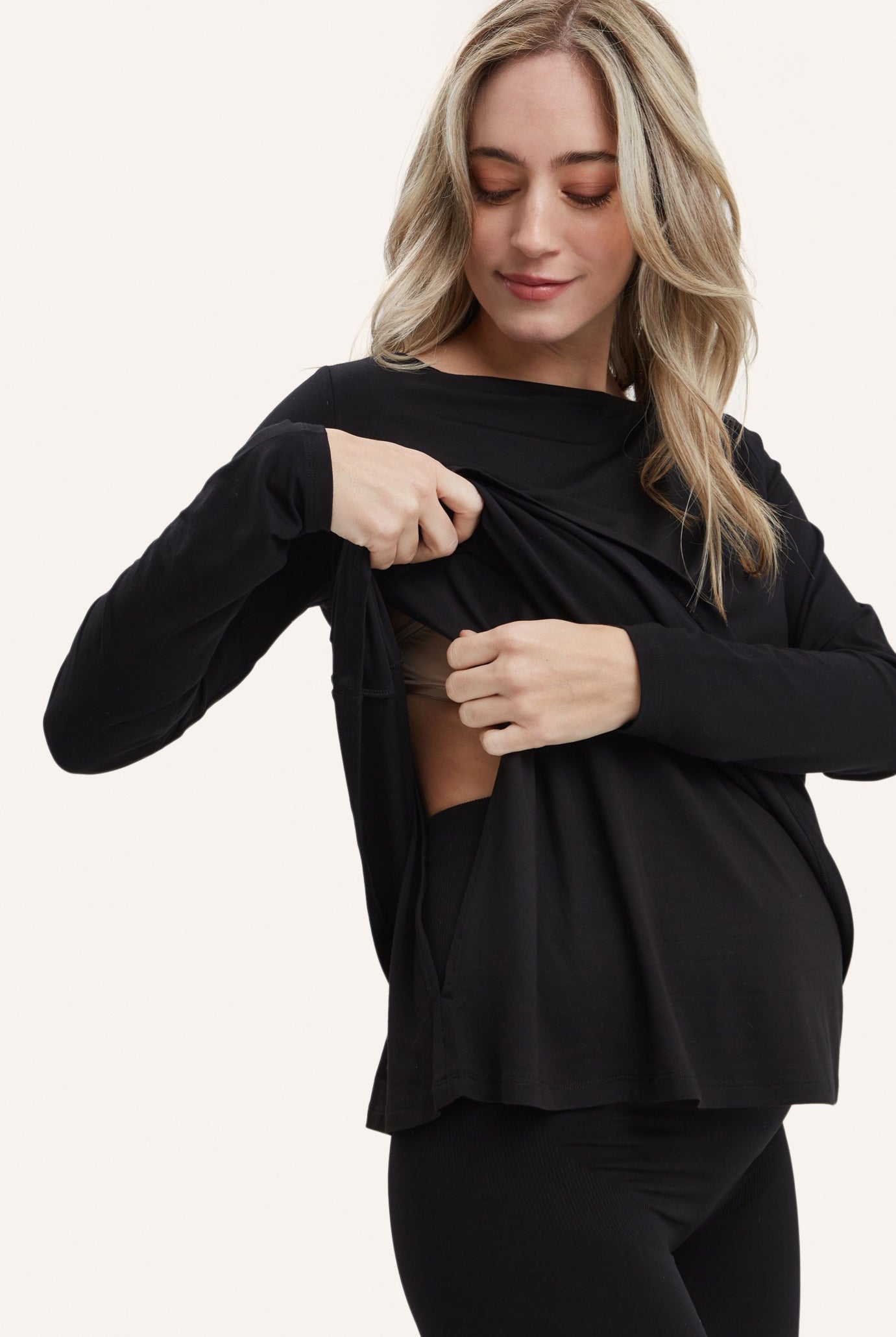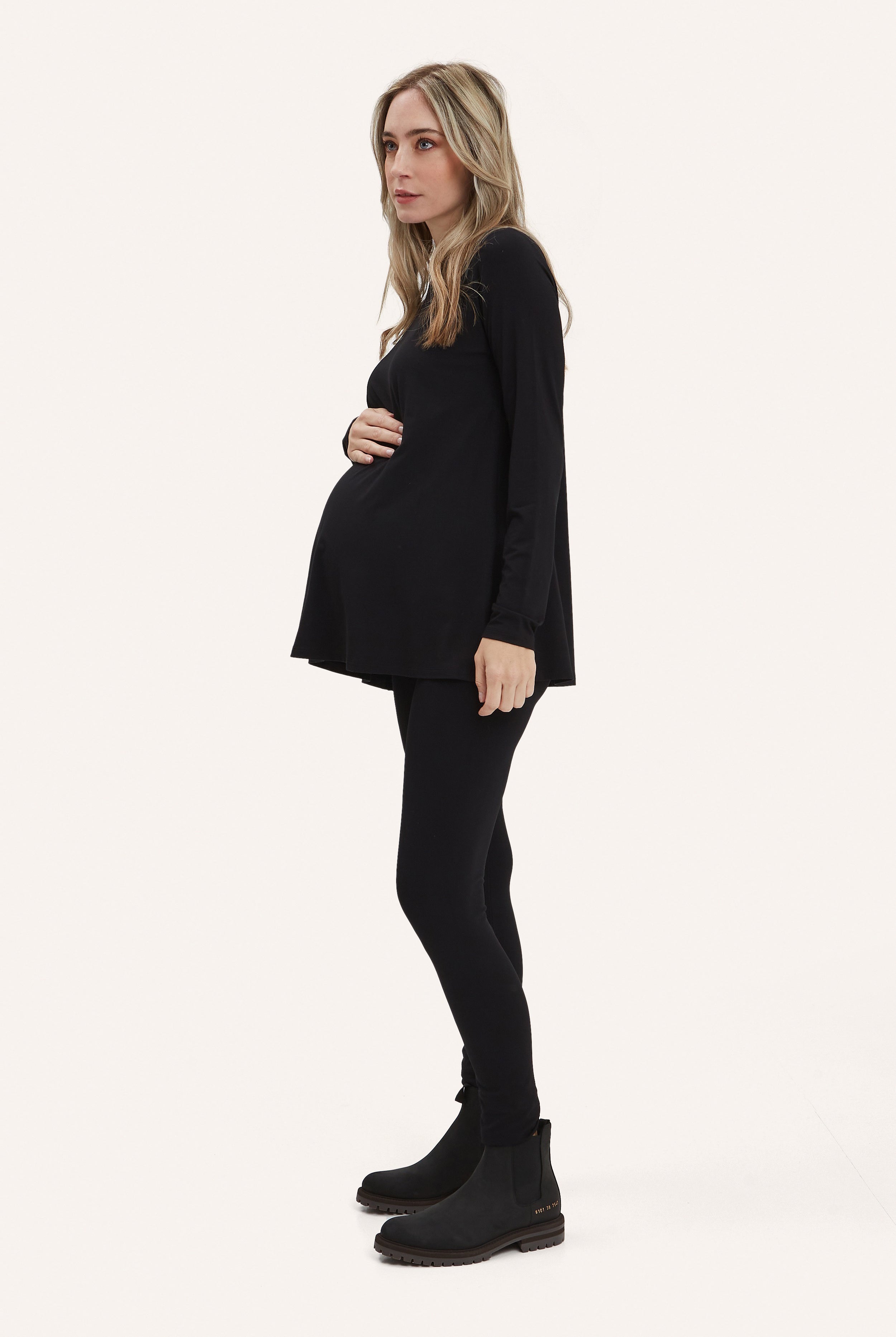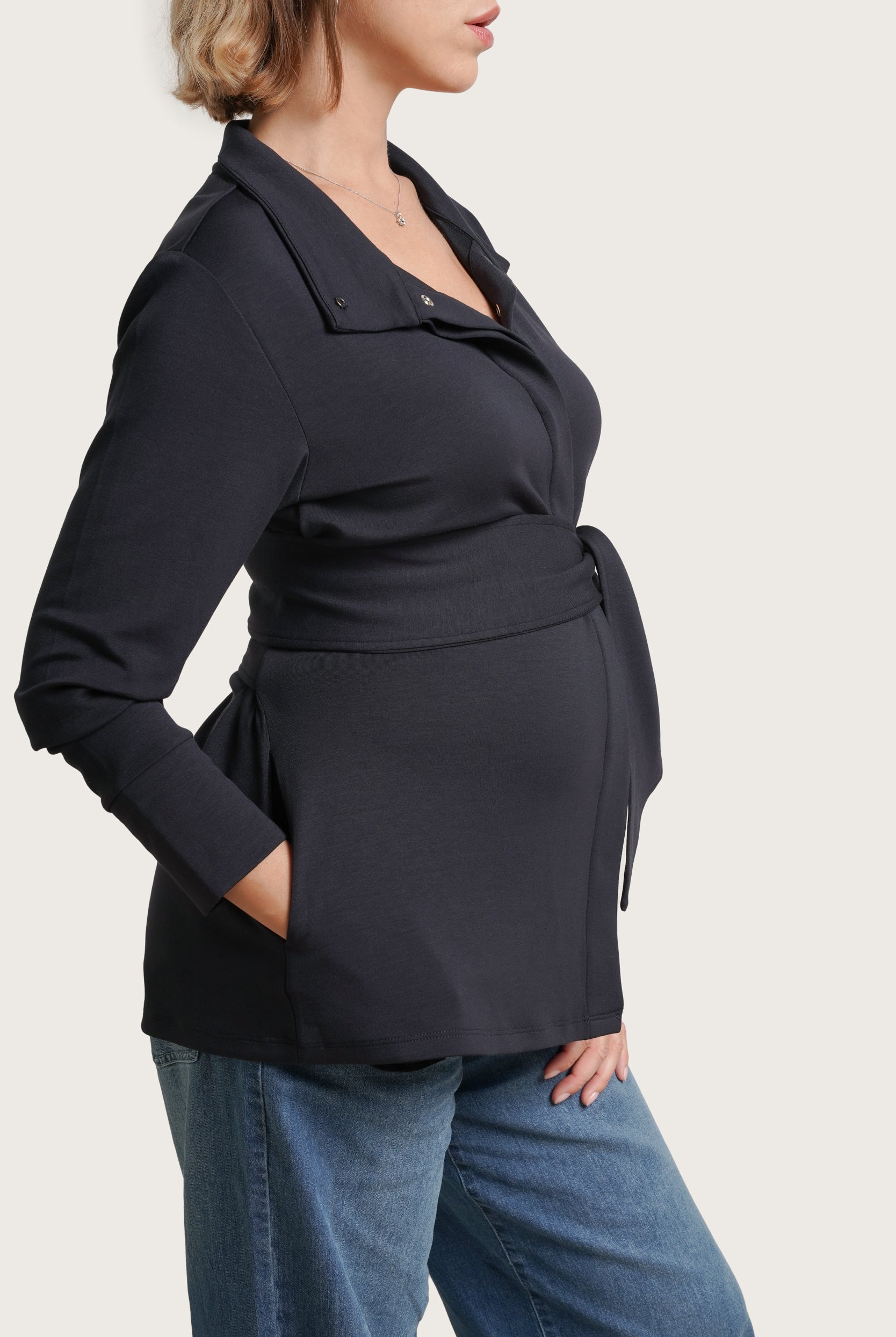
I just pushed a human out of my body—and now you want me to do what?
Breastfeeding is that strange moment in motherhood when your boobs go from being decorative to functional. Suddenly, they’re feeding a tiny human, leaking through your shirts, attached to a pump, or somehow doing all three before breakfast.
It’s natural. It can also feel incredibly unnatural, awkward, emotional, painful, and messy.
Whether you’re nursing, pumping, bottle feeding, formula feeding, or using some combination of everything, there is no single right way to feed your baby. After feeding three babies—including one chapter as an exclusive pumper—here’s what I learned and what I’d recommend having on hand.
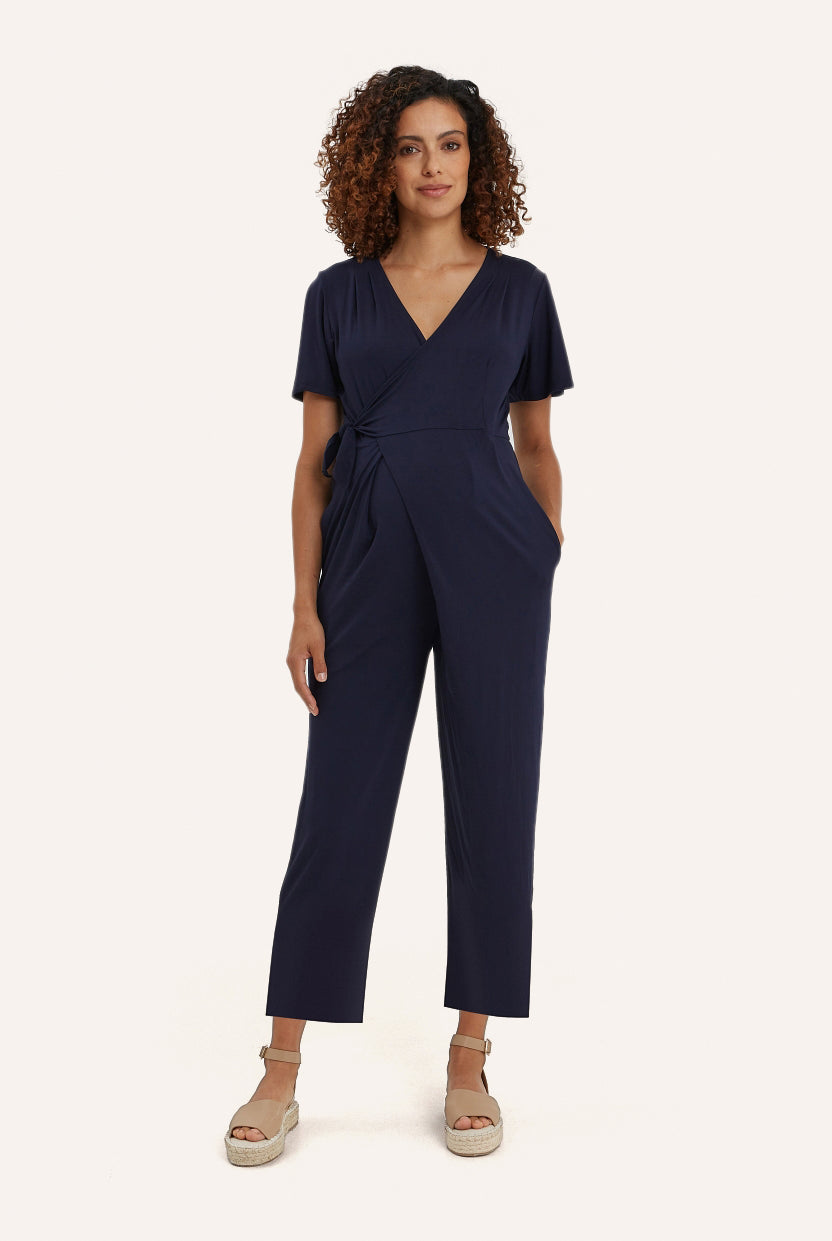
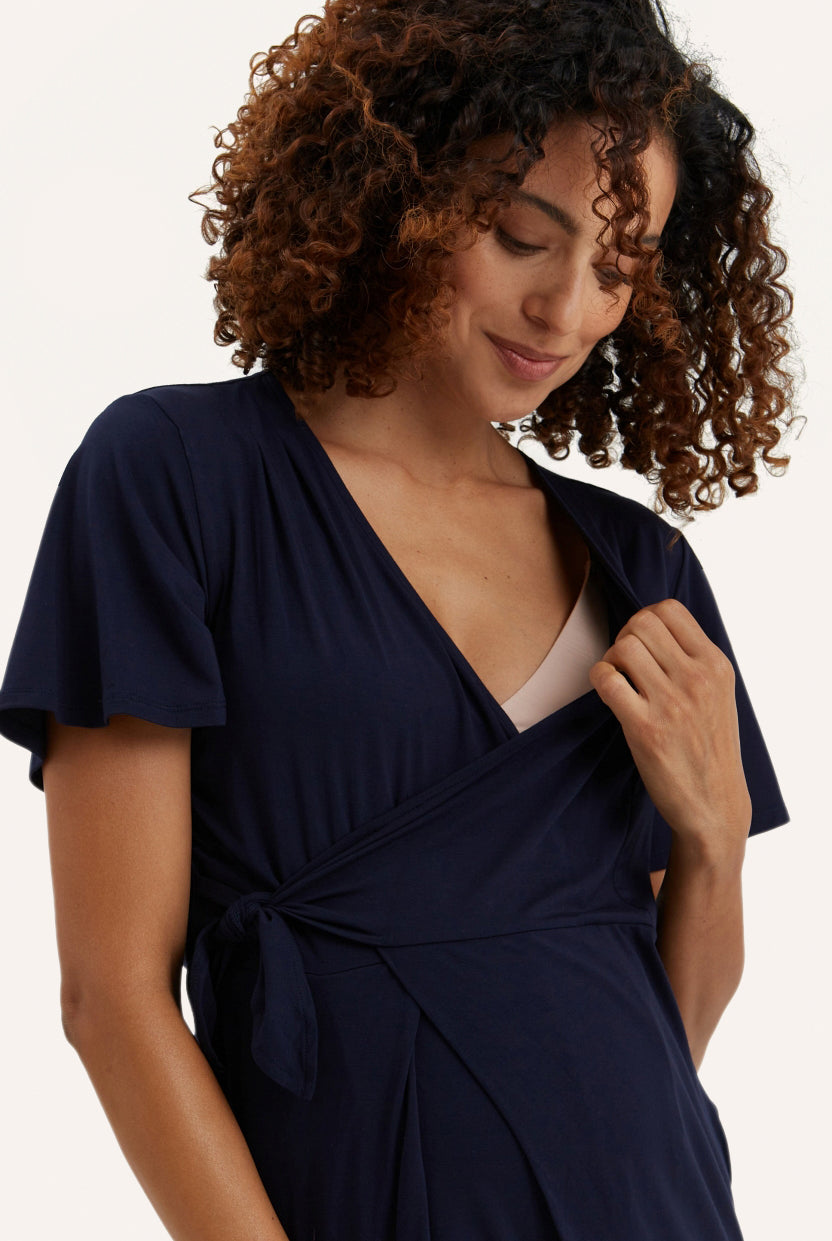
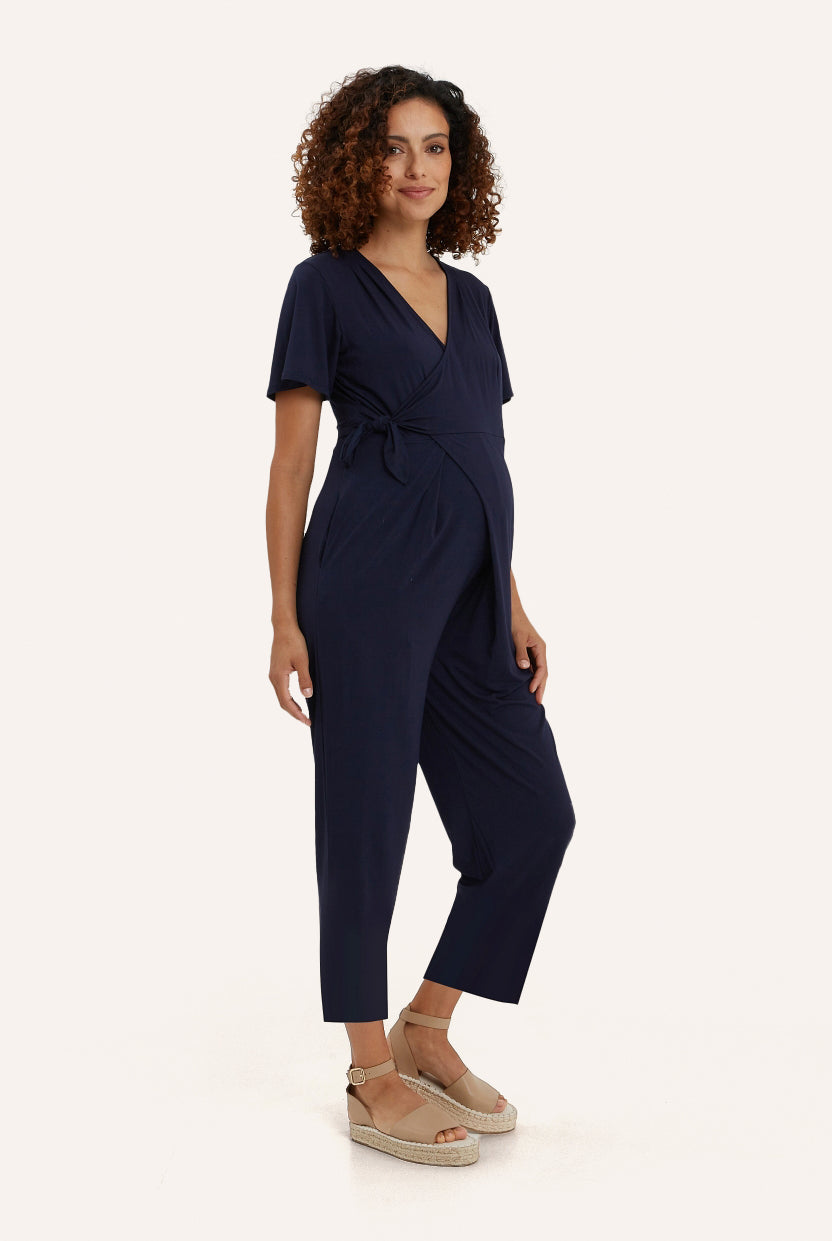
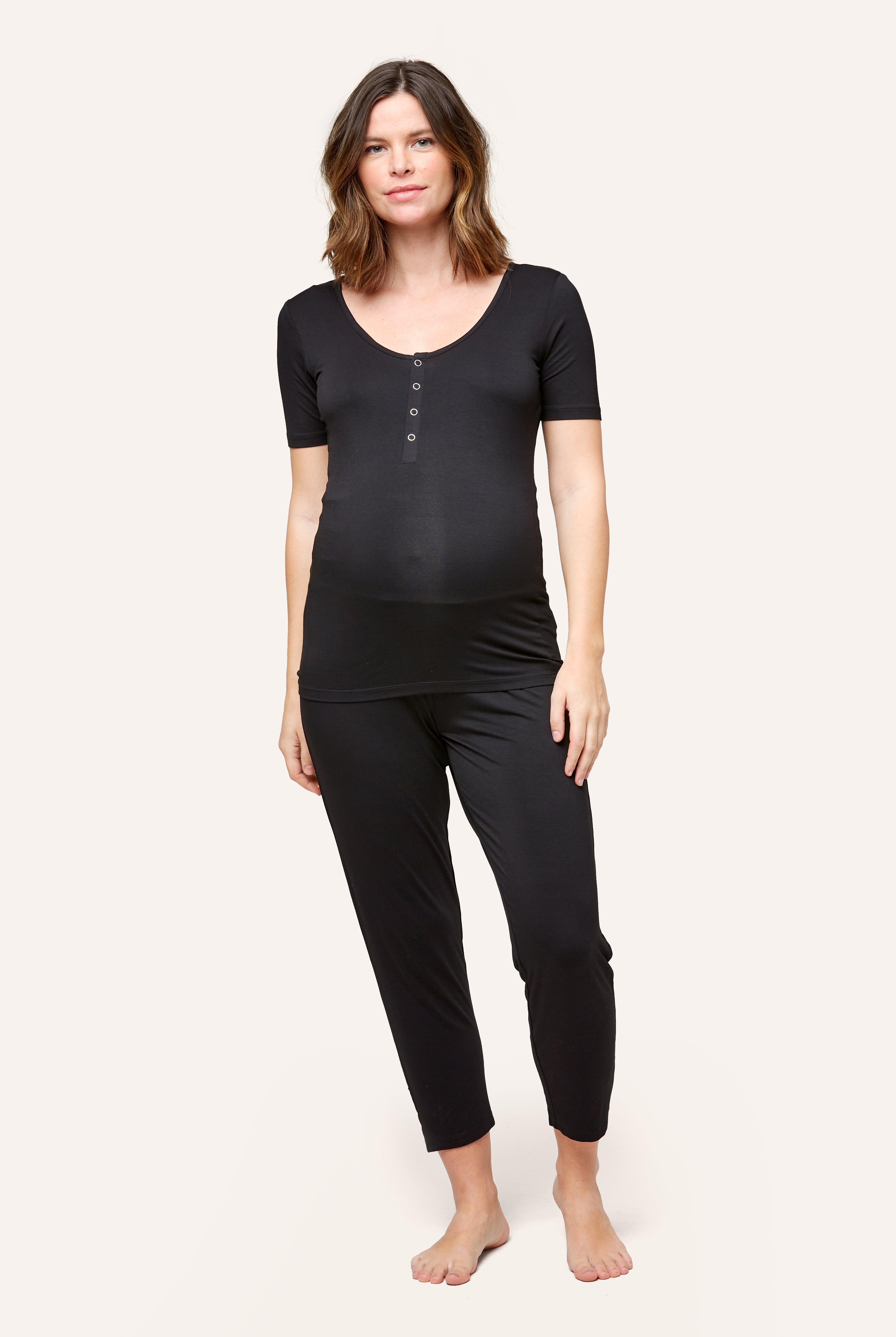
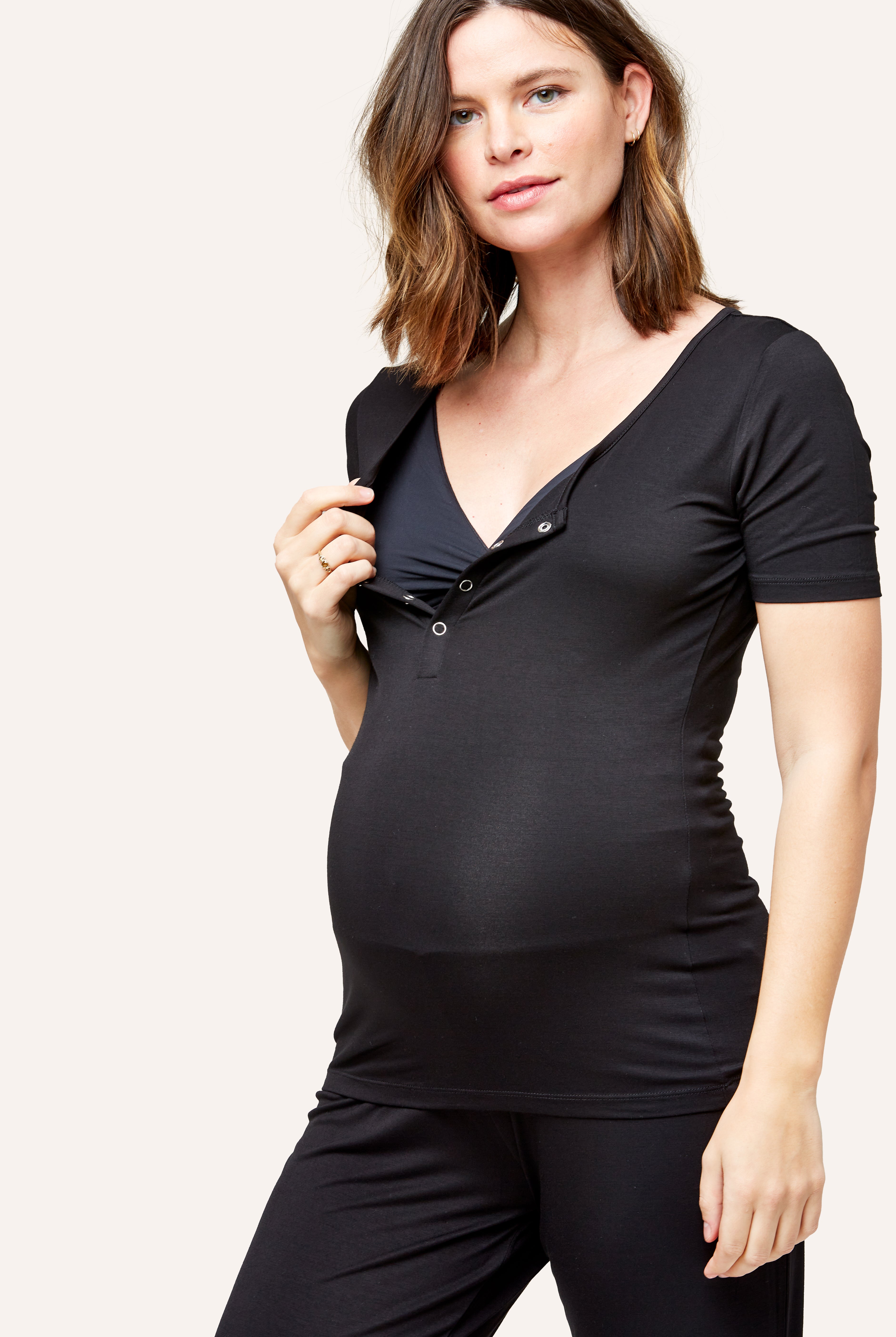
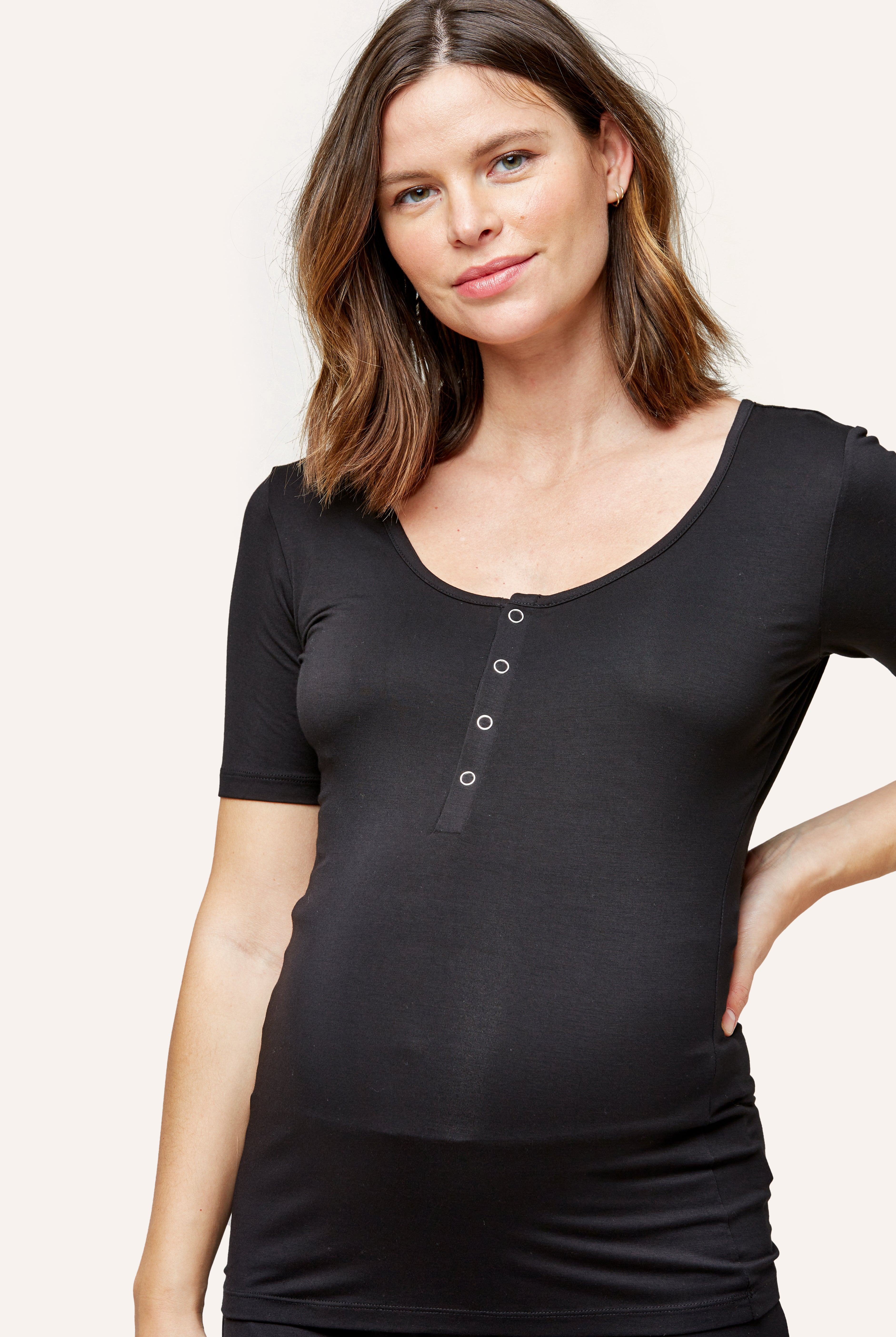
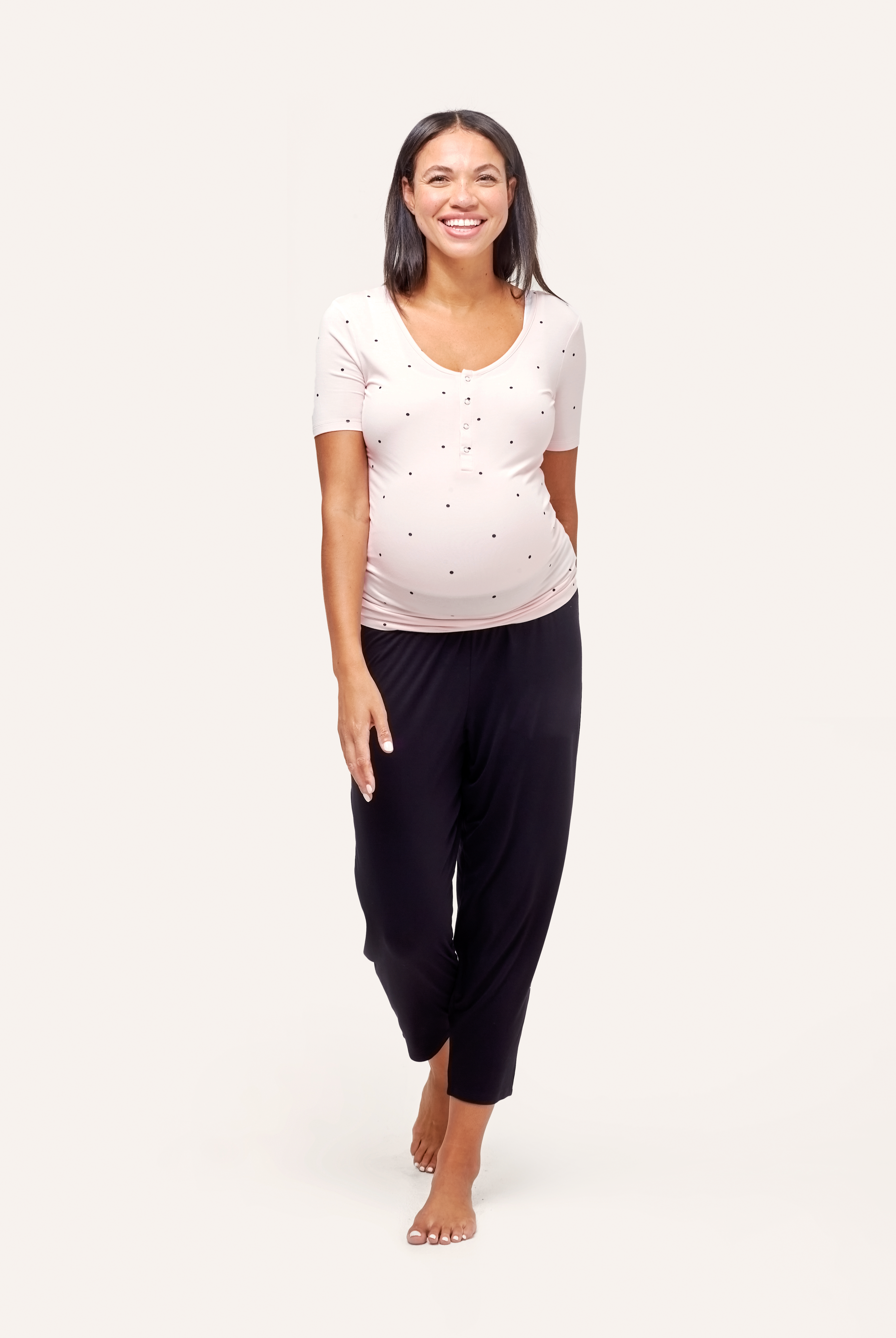
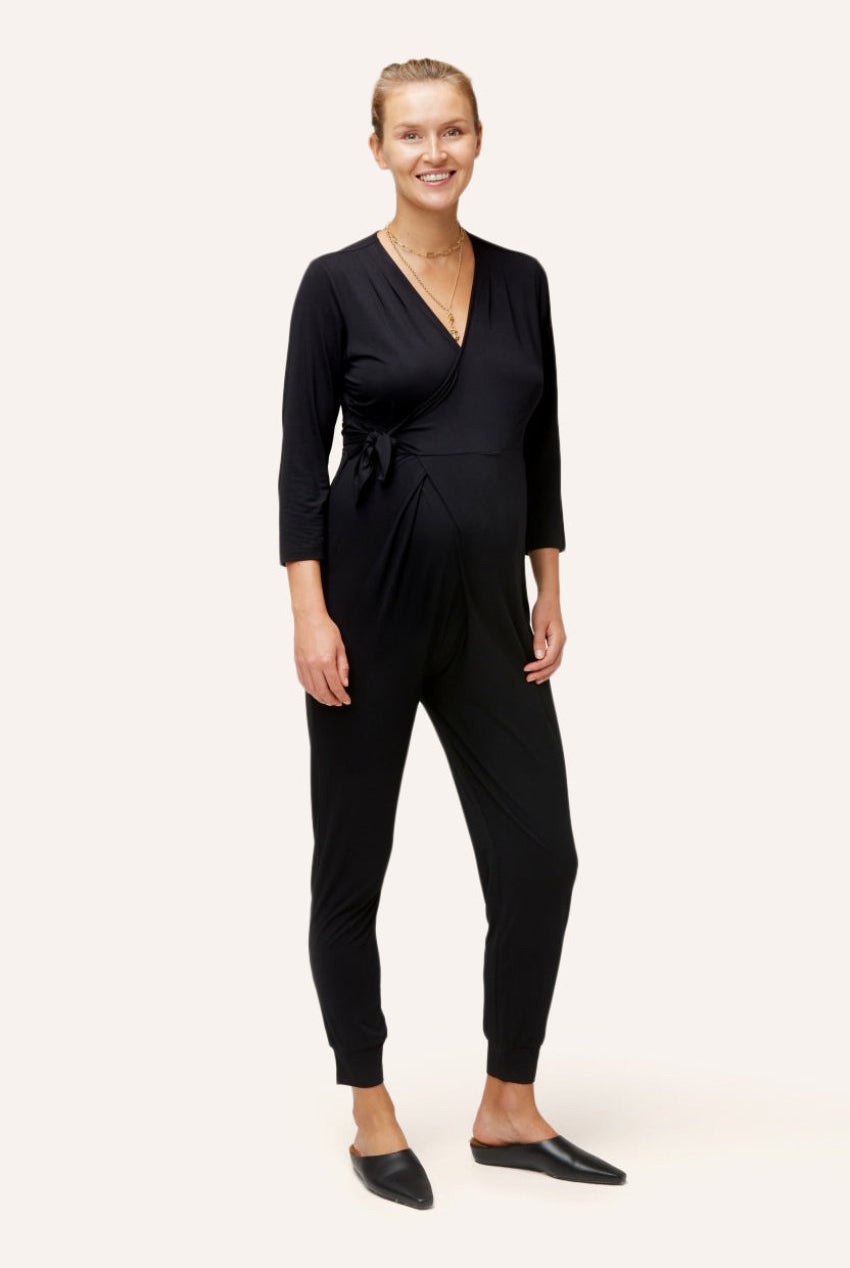
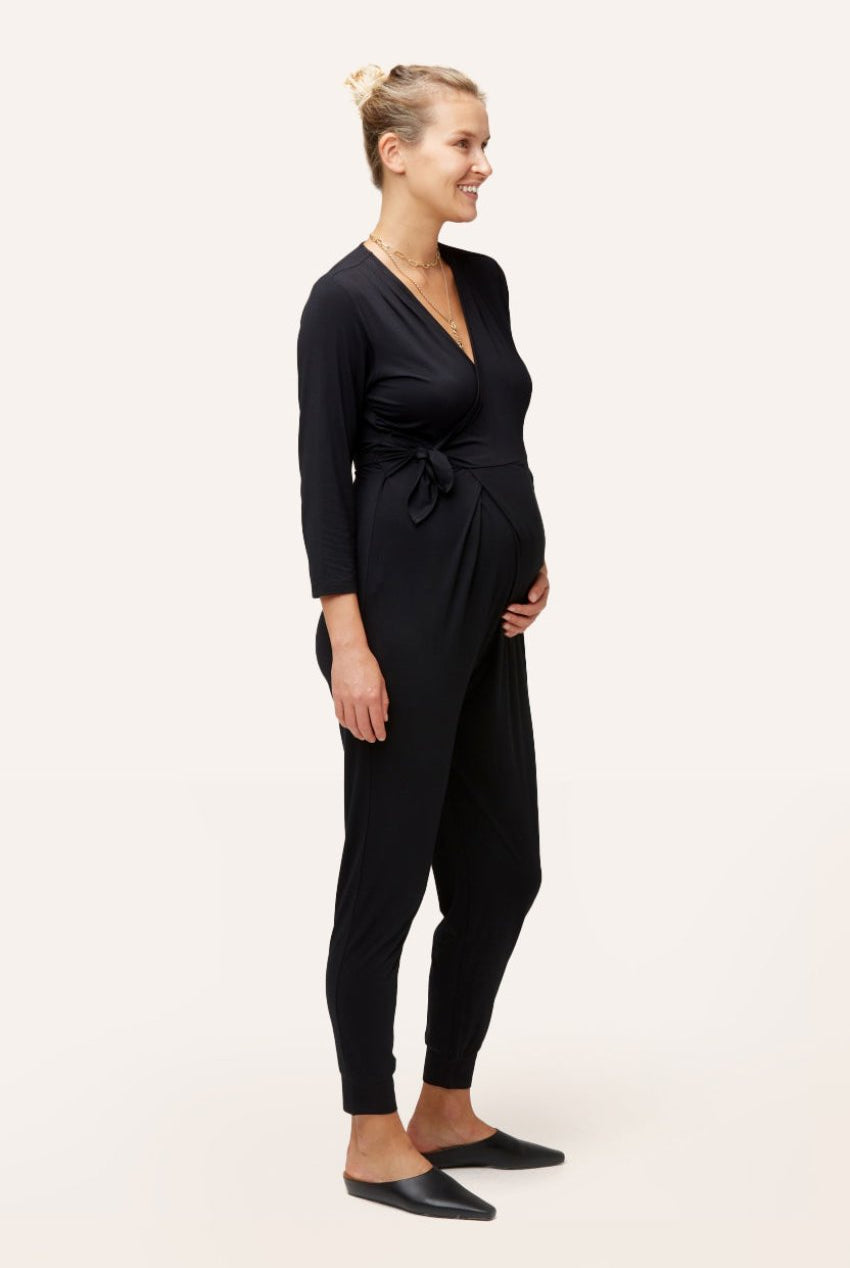
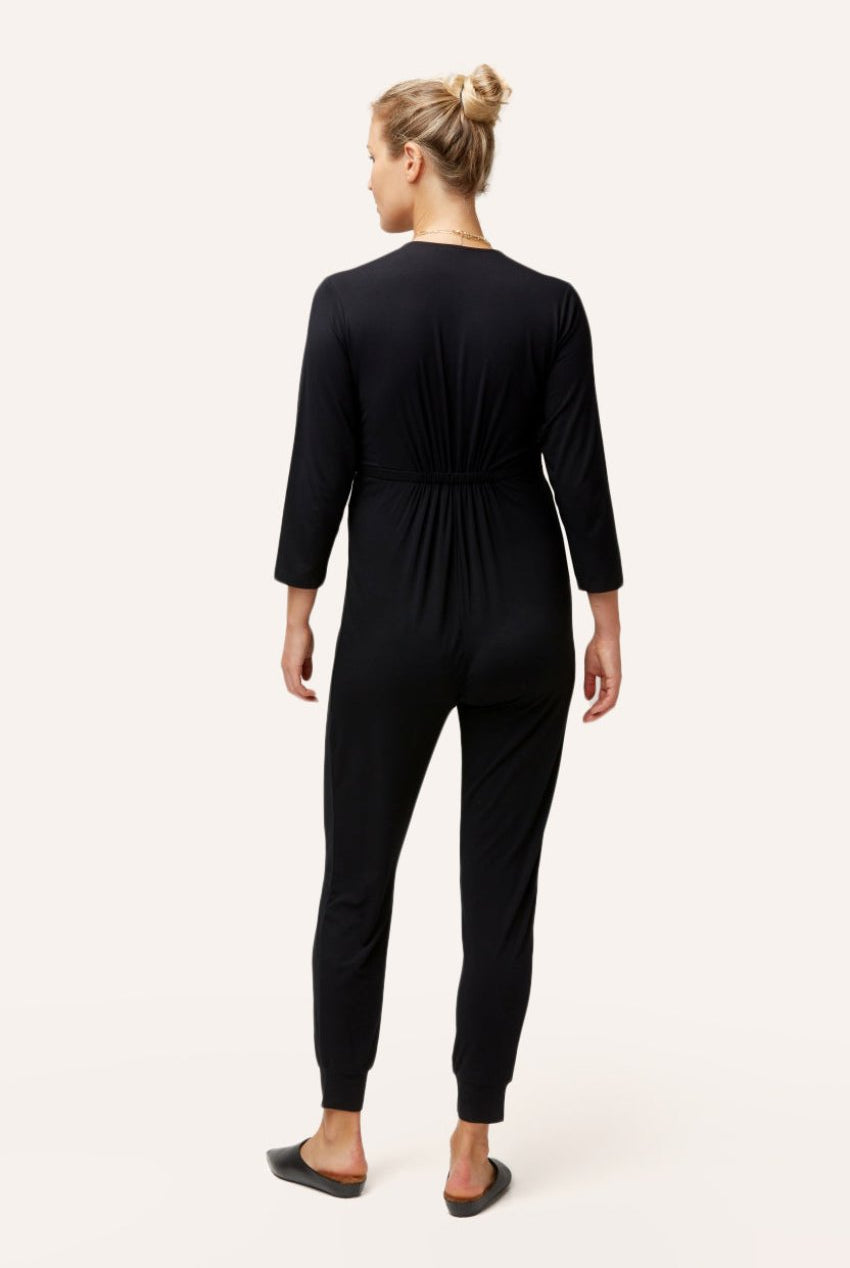
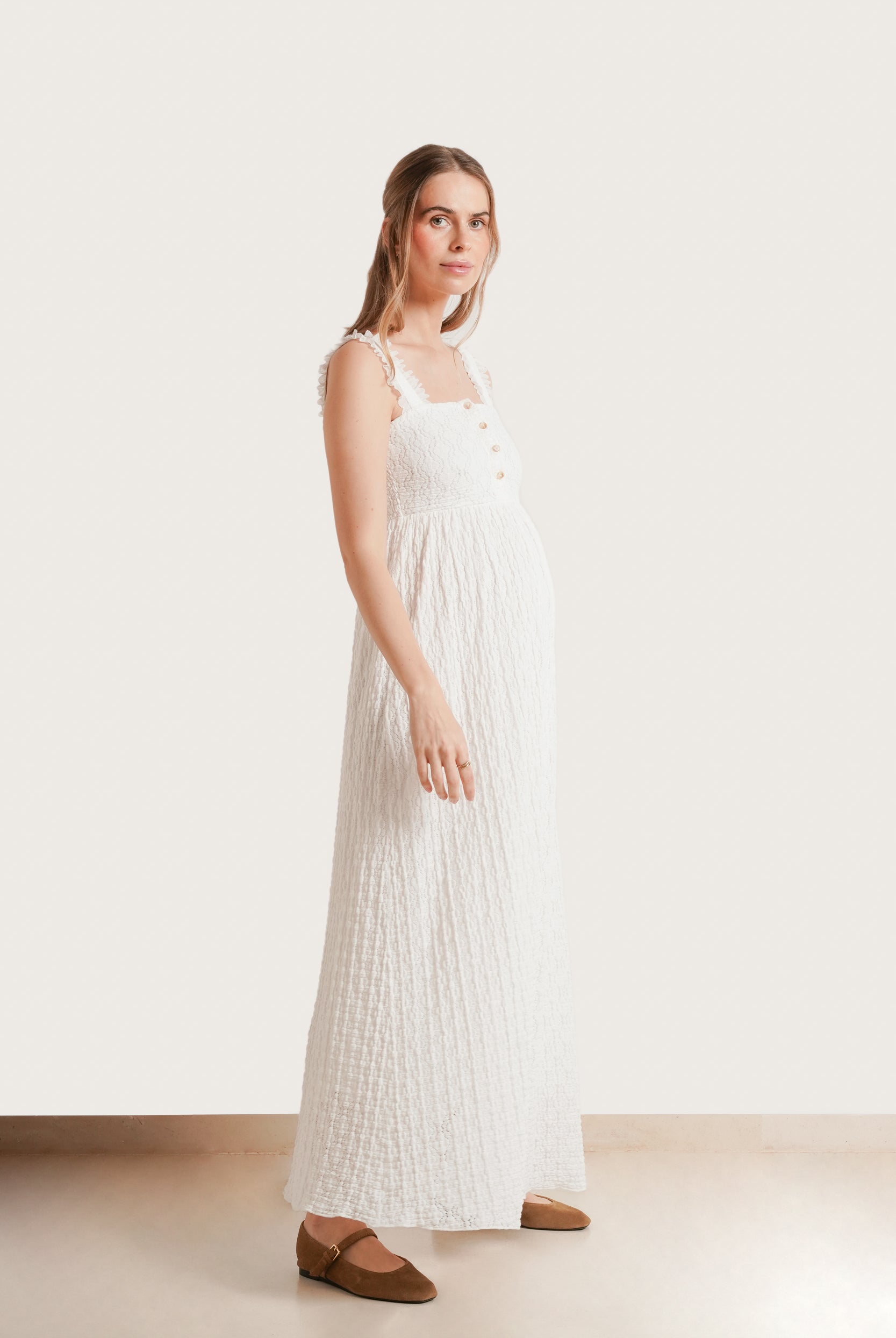
We’ve already covered what to wear during the fourth trimester in our What to Wear Postpartum: A Fourth Trimester Style Guide. Now let’s talk about the lessons we learned from feeding 3+ babies and all the pumps, pads, creams, cups, and strangely specific equipment that may soon take over your kitchen counter.

1. GET HELP EARLY AND OFTEN
Breastfeeding may be natural, but that doesn’t mean it always comes naturally.
You and your baby are both learning a completely new skill while you’re recovering from birth, running on very little sleep, and experiencing a hormonal roller coaster. Give yourself some grace.
If your hospital has a lactation consultant, use them. Then ask them to come back. Ask questions about positioning, latching, pumping, supply, pain, and anything else that doesn’t feel right.
No one gets extra credit for figuring it out alone.
And if feeding your baby ends up looking different from what you planned, that’s okay too. Motherhood is not measured in ounces.
2. YES, IT CAN HURT
I’m sorry. I’m not going to sugarcoat it.
The early days of breastfeeding can be uncomfortable. Your nipples may be sore, cracked, swollen, or generally wondering what they did to deserve this.
Pain should not simply be ignored, especially if it is severe or continues. Ask your doctor, midwife, or lactation consultant for help.
In the meantime, a few good nipple-care products can make those first weeks much more manageable.
3. CHOOSE A PUMP THAT WORKS FOR YOUR LIFE
Many insurance plans cover one breast pump per pregnancy, so check your benefits before buying one yourself. Hospitals may also rent pumps, which can be especially useful in the early weeks.
Our favorite traditional pump made it through three babies, including one stretch of exclusive pumping.
To this day, I can still hear the late-night *untz untz untz* of the motor like I’m standing in da club at 2 a.m.—except instead of dancing, I’m wearing a pumping bra and staring at another episode of the Great British Bake Off.
A wearable pump can also be incredibly helpful when you need to move around, work, make breakfast, or chase an older child while pumping.
Hands-free pumping is not always completely hands-free, but it is a major upgrade.
4. BUY THE EXTRA PUMP PARTS
This sounds unnecessary until it’s 11 p.m., your baby needs to eat, and every pump part you own is sitting dirty in the sink.
Buy an extra set of flanges, valves, bottles, and any other pieces your specific pump requires.
We fully disassembled ours and ran them through the dishwasher because no one has time to lovingly hand-wash six tiny plastic parts eight times a day. Always follow the cleaning instructions for your specific pump and feeding equipment, but build a system that is realistic enough for you to maintain.
Future you will be very grateful.
5. PREPARE FOR LEAKING
Leaking is a very real problem in the beginning.
You may hear another baby cry and suddenly discover that your shirt is wet. You may wake up soaked. You may leak through the one outfit you managed to put together for leaving the house.
Your girls eventually figure it out. Until then, nursing pads are your friend.
Reusable pads like Bamboobies are soft and easy to wash, while disposable pads are helpful to keep in your purse, car, diaper bag, and anywhere else you might unexpectedly need backup.
6. HYDRATION IS BASICALLY A FULL-TIME JOB
Breastfeeding thirst is on another level.
You will sit down to feed the baby and immediately realize your water is across the room. This will happen approximately 700 times.
Get a giant water bottle with a straw and keep it within reach. Consider this Mommy’s favorite sippy cup.
You may become emotionally attached to it. That’s normal.
7. BOTTLE AND FORMULA TOOLS STILL COUNT
Even if you plan to breastfeed, bottles and formula may still become part of your feeding routine.
You might supplement. You might exclusively pump. Someone else might handle a feed so you can sleep. Your plans might change completely.
A formula mixing pitcher can make preparing several bottles at once much easier and helps eliminate middle-of-the-night measuring when no one should be trusted with basic math.
However you feed your baby, the goal is the same: a fed baby and a supported mom.
THE BOTTOM LINE
However you feed your baby - breast, bottle, pump, formula, or a little bit of everything - you are feeding your baby. That’s what matters.
Find the products that make your life easier. Ask for help when you need it. Laugh when things get weird, because they will. And give yourself permission to change the plan.
Motherhood can be hard. Feeding your baby does not have to look perfect.
The breastfeeding and pumping essentials we'd buy again

TRADITIONAL BREAST PUMP
A dependable pump is essential if you plan to pump regularly or return to work. Check your insurance benefits, compare replacement-part availability, and choose one that fits your feeding plans and daily routine. The Spectra S1 got me through THREE babies, including one where I was an exclusive pumper. I cannot recommend this pump enough.
WEARABLE PUMP
For pumping while working, moving around the house, or chasing older kids. It gives you more freedom than a traditional wall pump—even if the silhouette under your shirt is not exactly subtle. We used the Elvie Stride with baby #3 and loved it.
SILVER NIPPLE COVERS
I cannot believe I waited until baby number three to buy these Silverette nipple covers. What was I thinking?
These reusable cups sit over your nipples between feeds and were a lifesaver during the sore, swollen early weeks. They work like magic and are worth their weight in gold.
ORGANIC NIPPLE CREAM
Buy multiple. Keep it near your bed or feeding chair. Slather as needed - it’s going to get everywhere so we preferred an organic version. We loved this balms from MotherLove.
EXTRA PUMP PARTS
Not glamorous. Completely necessary. Having a clean backup set saves time, stress, and at least one late-night breakdown over a missing valve. We liked this set from Maymom.
NURSING PADS
Reusable, disposable, or both. Keep them everywhere until your milk supply settles and leaking becomes less frequent. We preferred Bamboobies.
GIANT WATER BOTTLE
Preferably one you can open with one hand and drink from while holding a baby. This Simple Modern jug remains our favorite to this day.
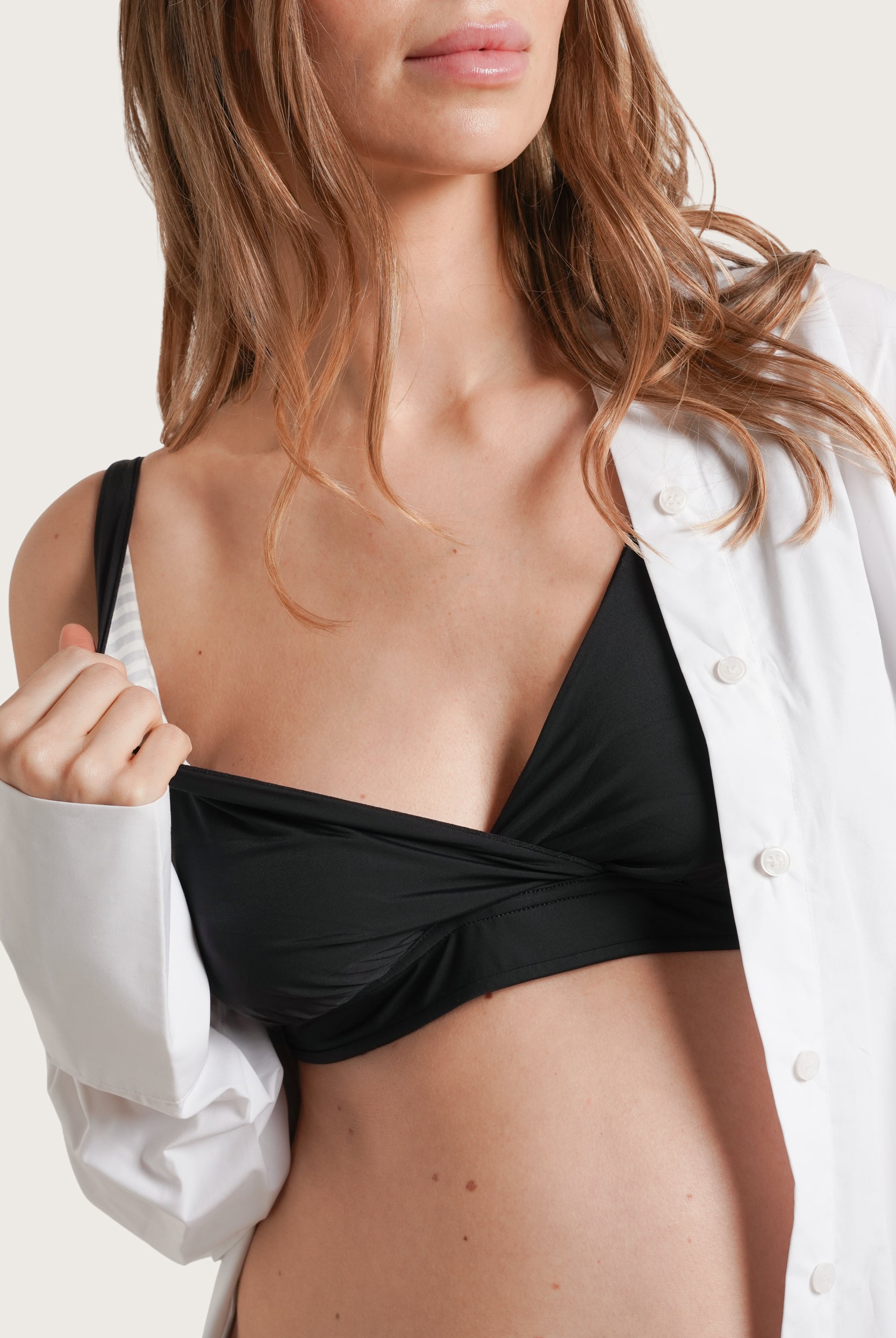
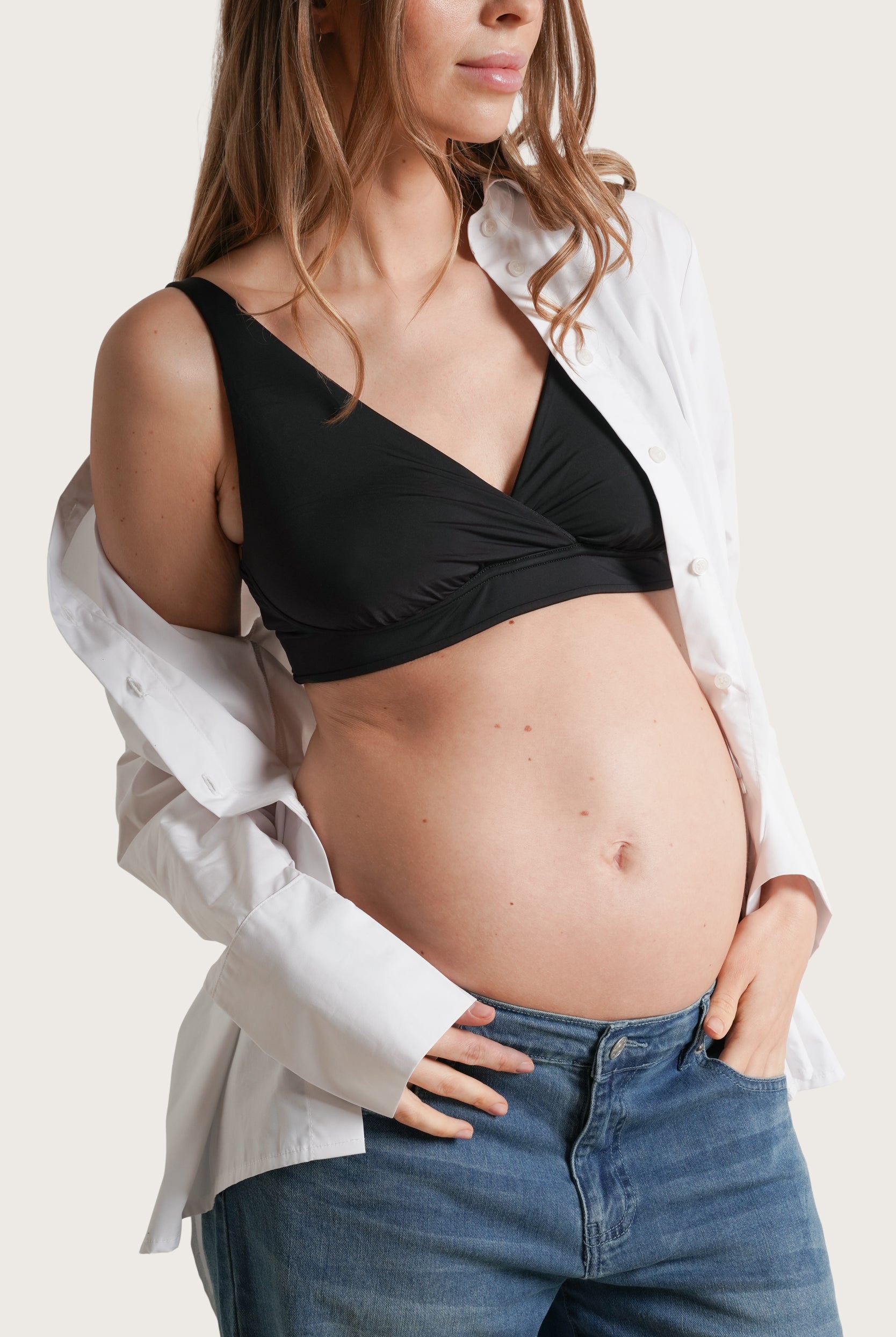
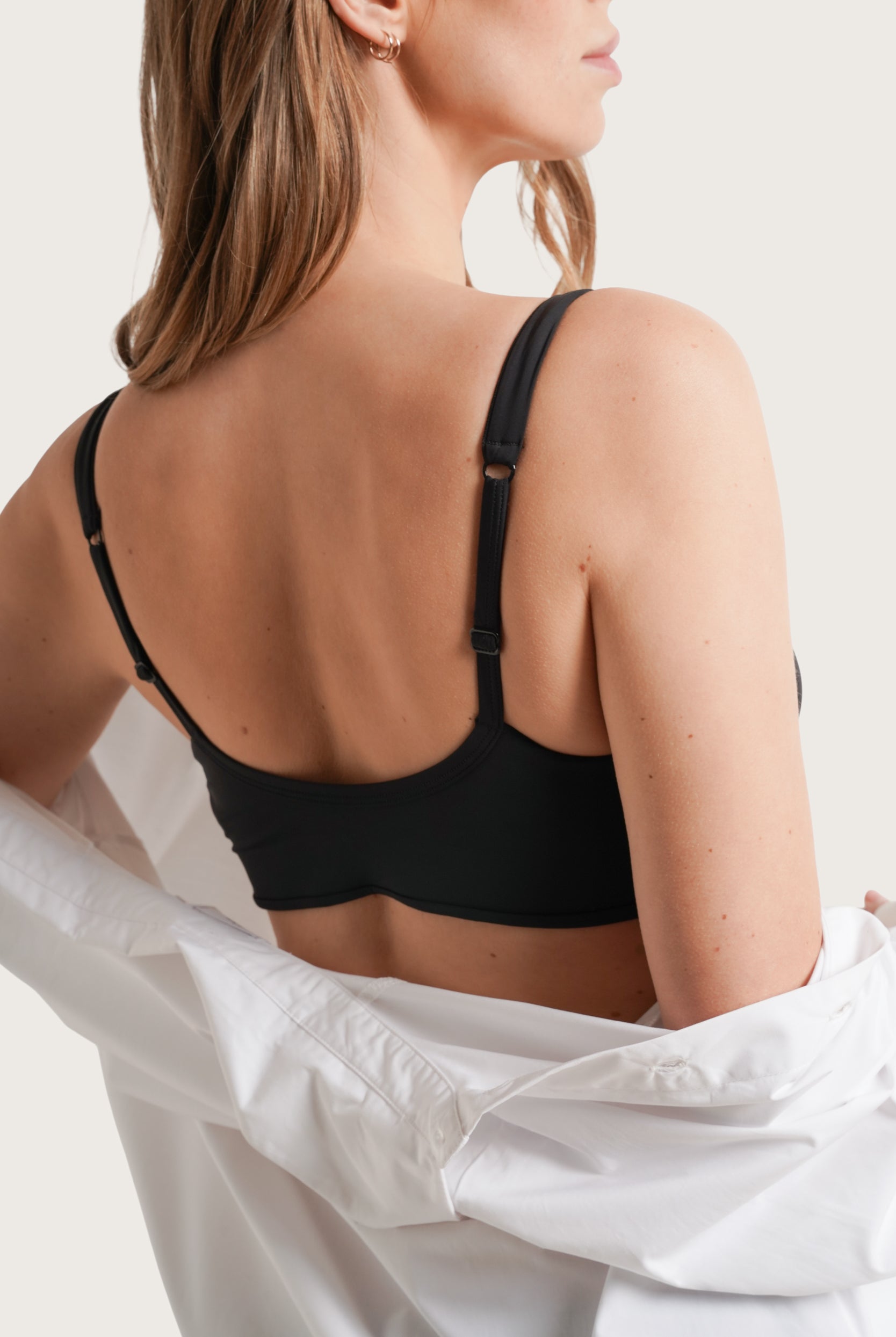
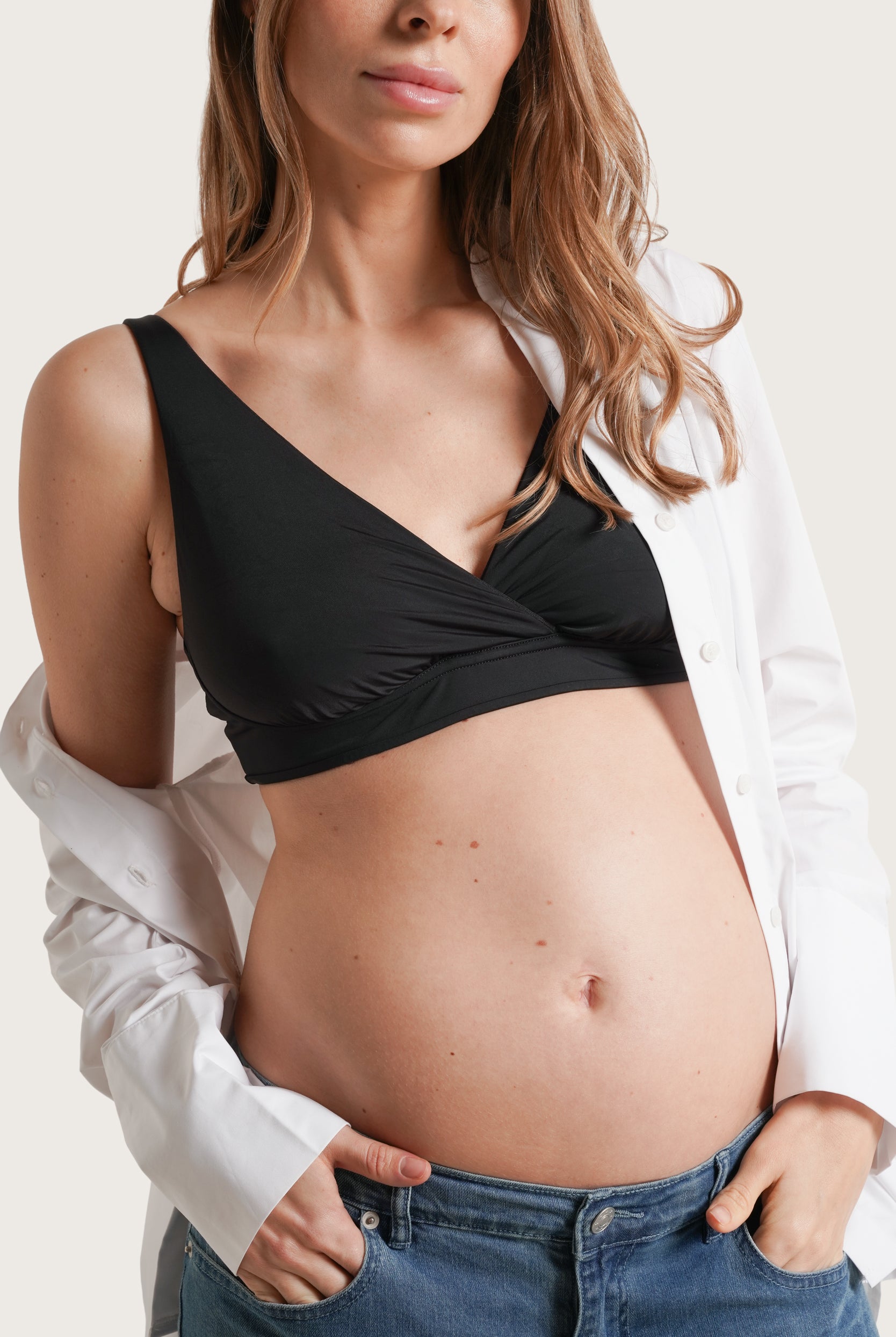
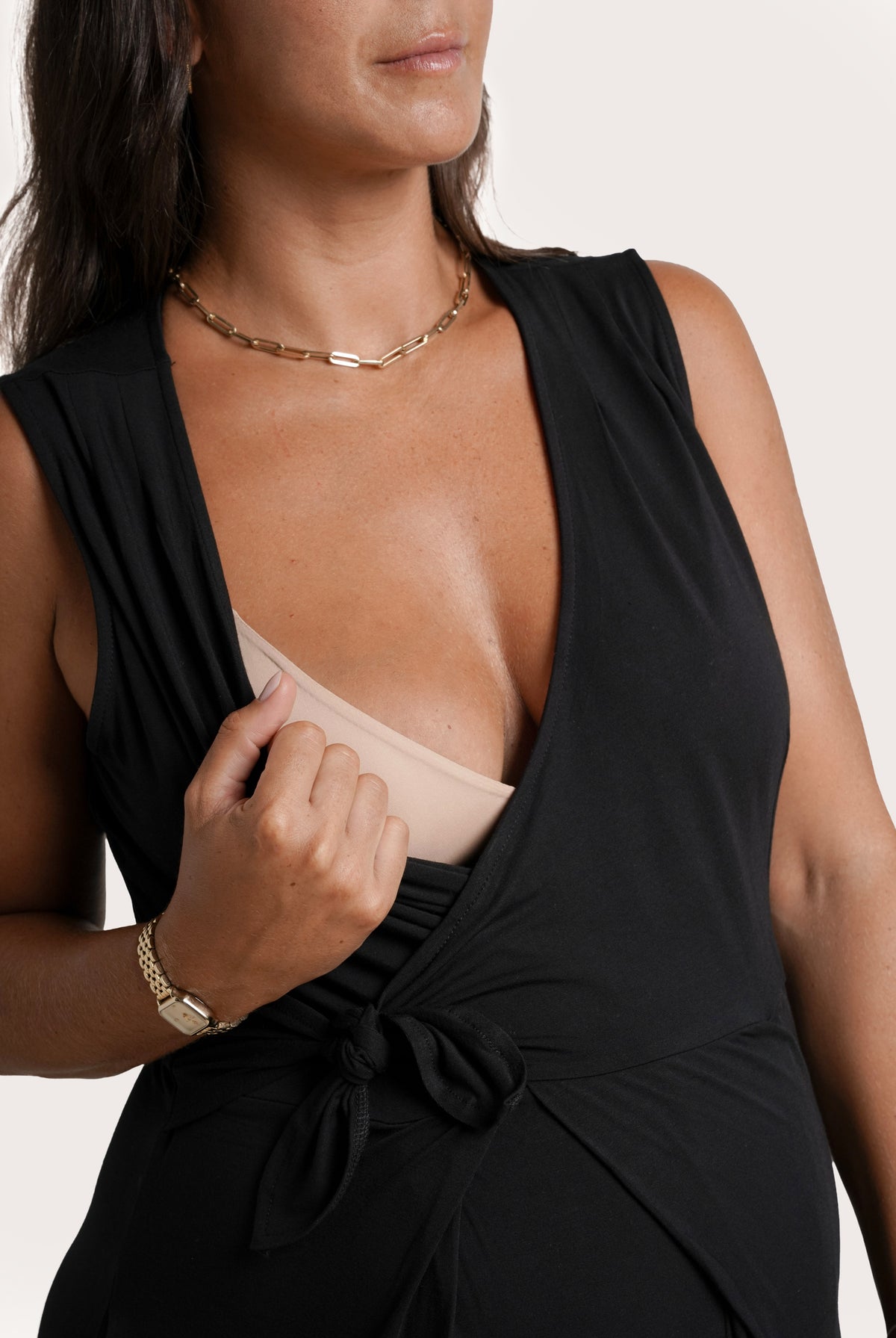
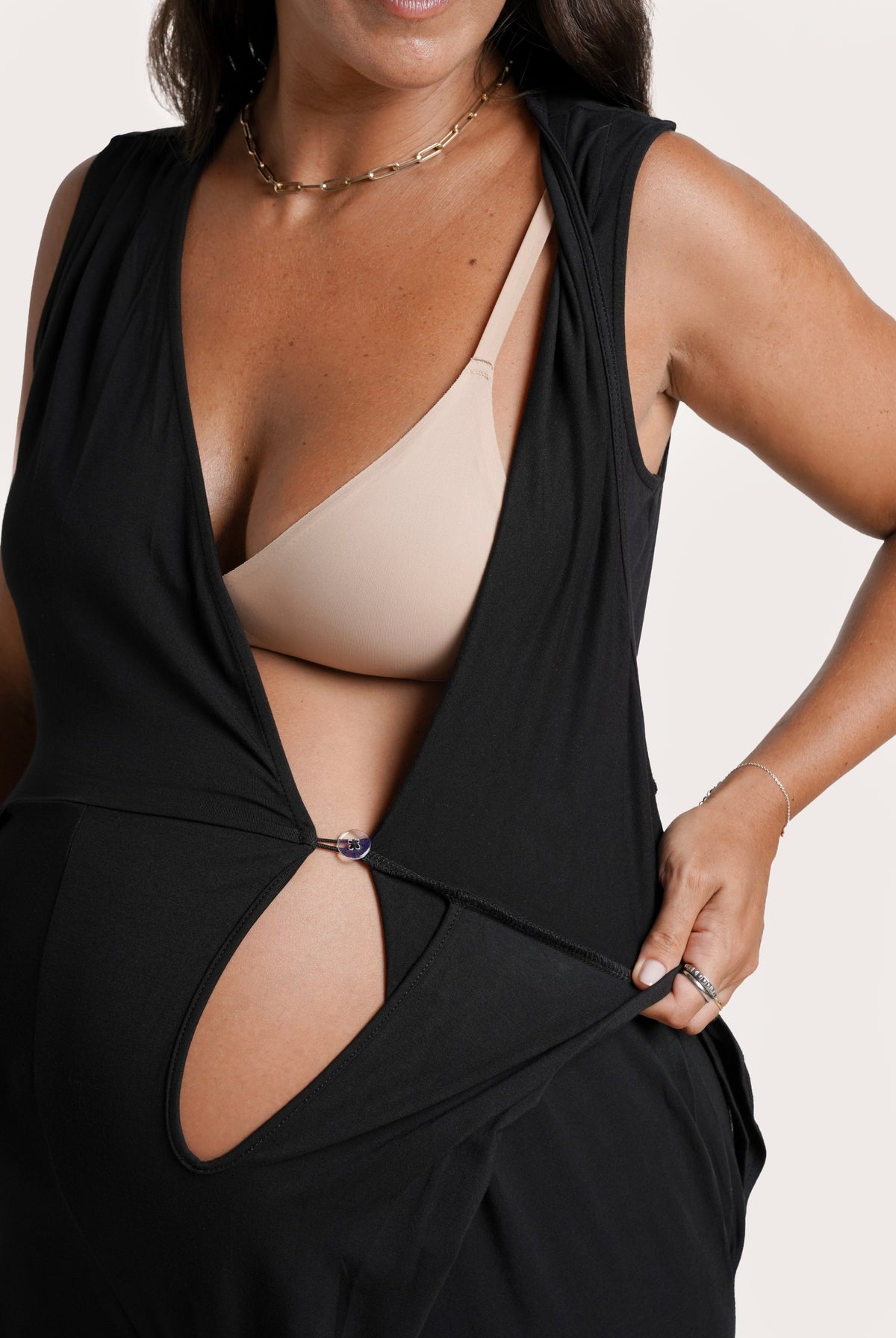
SUPPORTIVE NURSING BRA
Bravado Designs makes our absolute hands down favorite nursing bras. We wore ours long after we needed the nursing clips because they were just so supportive. The Body Silk Seamless is their top selling nursing style. This 2 in 1 bra is a great nursing and pumping option too.
FORMULA MIXING PITCHER
Helpful for exclusive formula feeding, supplementing, or preparing bottles in batches. Anything that simplifies a 3 a.m. feed earns a place on the counter. We loved our Baby Brezza Mini.